Analyzing Transaction Authentication Sequences to Enhance Free Spin Integration in Mobile Live Dealer Platforms
Olivia Hoffmann · Jun 10, 2026
Analyzing Transaction Authentication Sequences to Enhance Free Spin Integration in Mobile Live Dealer Platforms
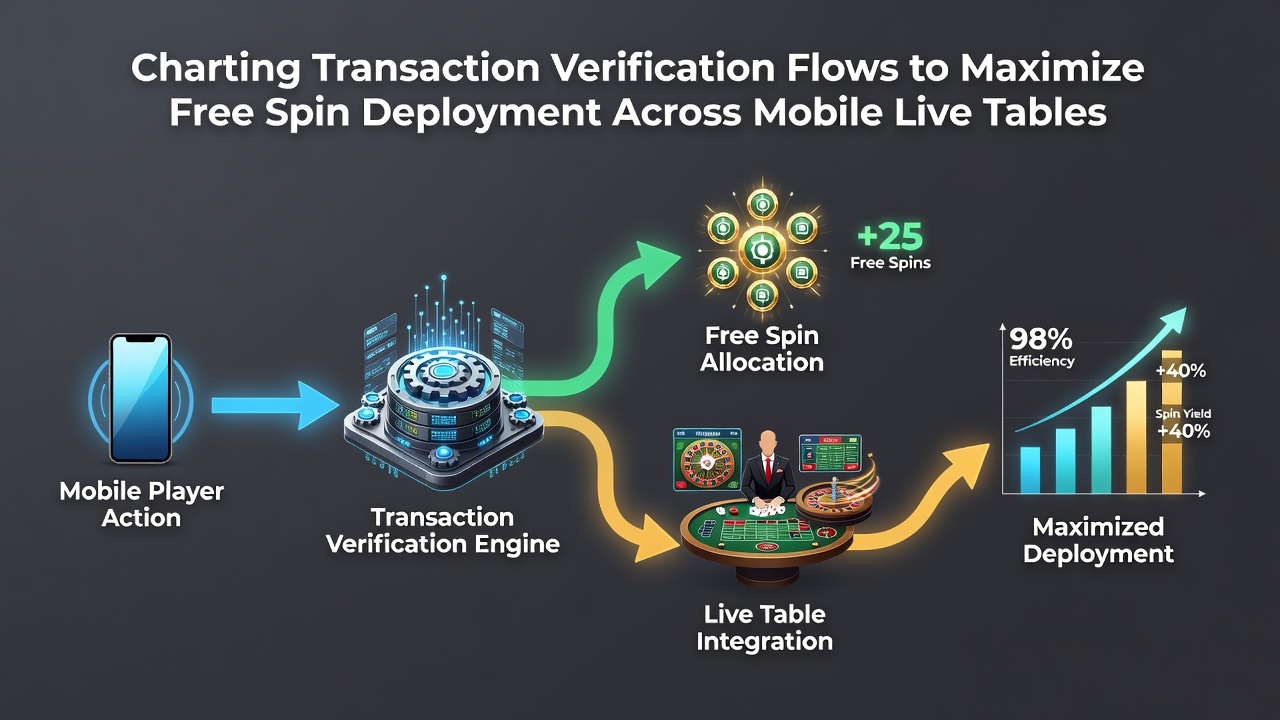
Transaction verification in mobile live table environments follows a structured sequence that begins with deposit initiation and extends through multiple authentication layers before free spin allocation occurs. Platforms process these steps in milliseconds to maintain game flow while ensuring compliance with financial protocols across different jurisdictions.
Data from industry reports indicates that verification times average between 1.8 and 3.2 seconds when using integrated banking APIs, and operators track these metrics to identify bottlenecks that delay bonus deployment. Researchers at academic institutions have mapped these pathways to show how each checkpoint influences the timing of free spin credits on roulette and blackjack interfaces.
Core Components of Verification Mapping
Payment gateways first confirm account details through tokenization then route requests to risk engines that evaluate transaction patterns against historical data sets. This stage incorporates device fingerprinting and geolocation checks before advancing to the authorization phase where free spin eligibility gets assessed based on deposit thresholds and promotional rules. Observers note that successful mapping of these stages allows operators to reduce processing delays by up to 40 percent according to aggregated platform analytics.
Live table sessions require additional synchronization because real-time dealer interactions demand uninterrupted connectivity, therefore verification systems often employ parallel processing threads that handle security checks without pausing gameplay streams. One study revealed that platforms separating verification from game logic achieve higher retention during bonus activation windows.
Deployment Strategies Across Mobile Interfaces
Free spin credits reach player accounts once verification clears the final ledger reconciliation step, at which point the system pushes notifications directly to the live table dashboard. Operators configure rules engines to trigger these credits automatically when deposit values meet predefined criteria, and this automation extends across multiple game types including baccarat and poker variants. Figures reveal that integrated deployment increases bonus redemption rates when compared to manual allocation methods used in earlier platform versions.

June 2026 marks the scheduled rollout of updated authentication standards across several North American and European networks, which require enhanced multi-factor confirmation for all bonus-related transactions. These changes build on existing frameworks established by bodies such as the American Gaming Association and aim to align mobile verification with emerging digital identity protocols. Platforms adapting their flows ahead of this date report smoother transitions during testing phases.
Performance Metrics and Optimization Techniques
Key performance indicators include verification success rates, average time to credit, and the ratio of deposits that successfully convert into deployed spins. Analytics teams monitor these through dashboard visualizations that highlight drop-off points in the sequence, allowing targeted adjustments to API call priorities or risk scoring thresholds. Evidence suggests that optimizing the order of checks, particularly placing lightweight validations first, improves overall throughput without compromising security layers.
Case examples from platform operators demonstrate how rerouting certain verification calls through regional servers reduced latency for players in high-traffic zones, resulting in more consistent free spin availability during live sessions. Those who've studied these adjustments note measurable gains in session duration metrics across affected user segments.
Integration Challenges in Live Environments
Live dealer tables present unique hurdles because continuous video streams and chat functions compete for bandwidth with background verification processes, therefore system architects design fallback mechanisms that queue credits until connectivity stabilizes. Cross-platform compatibility adds another layer since operating system variations affect how quickly apps receive and display bonus notifications. Data shows that unified development frameworks help mitigate these inconsistencies when deployed at scale.
Regulatory requirements in multiple regions further influence flow design, prompting operators to incorporate jurisdiction-specific filters that activate based on player location signals. This dynamic routing ensures compliance while preserving the speed necessary for seamless spin deployment on mobile devices.
Conclusion
Transaction verification flows form the foundation for reliable free spin deployment across mobile live tables, with each stage contributing to both security and user experience outcomes. Continued refinement of these sequences, particularly ahead of the June 2026 standards update, supports consistent performance across diverse network conditions and device types. Industry sources such as the European Gaming and Betting Association provide ongoing data that informs these iterative improvements, enabling platforms to maintain efficient bonus activation pathways while meeting evolving technical requirements.