Authorization Frameworks Powering Reward Structures in Smartphone Roulette and Blackjack Applications
Carlo Zimmermann · Aug 7, 2026

Authorization Frameworks Powering Reward Structures in Smartphone Roulette and Blackjack Applications
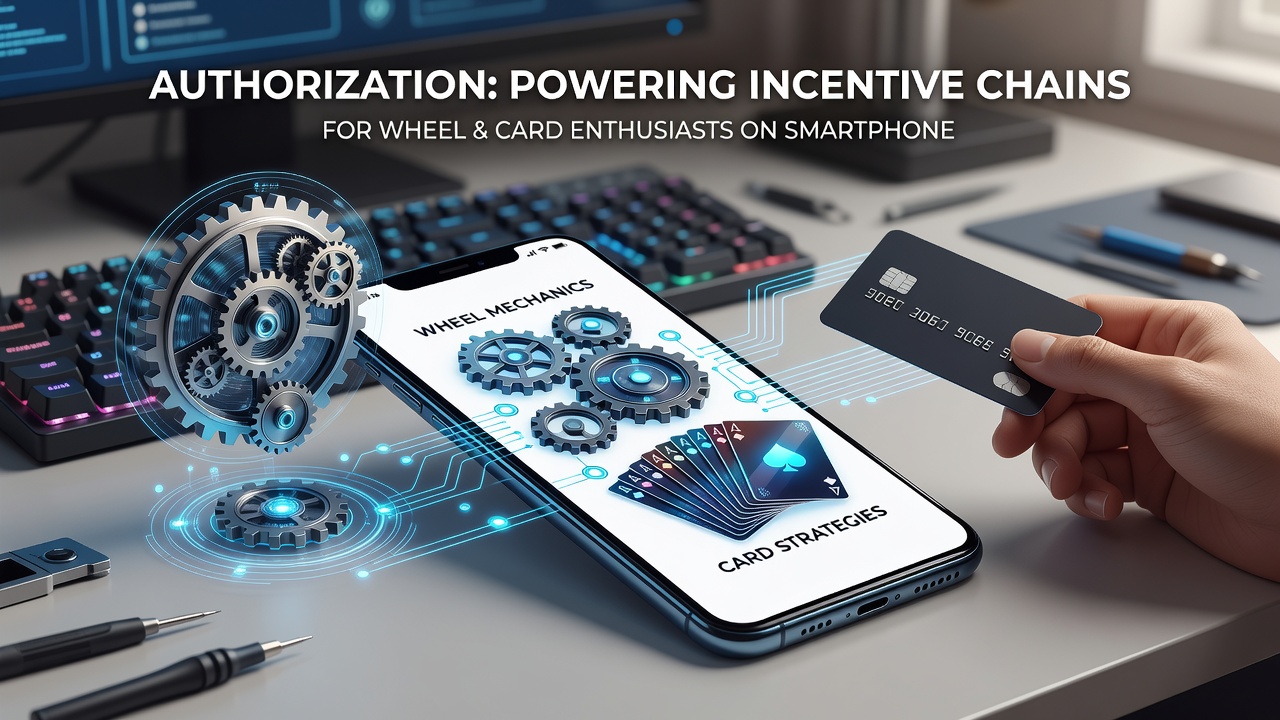
Authorization systems operate as the central mechanism that enables incentive distribution across mobile applications focused on roulette and blackjack, allowing operators to verify user identity before releasing rewards while maintaining compliance across multiple jurisdictions. These frameworks connect account creation, device recognition, and session management to track eligibility for bonuses, free spins, and loyalty points that drive continued engagement in wheel and card formats.
Core Components of Authorization in Mobile Gaming
Device fingerprinting combined with multi-factor authentication creates persistent user profiles that log every spin on a roulette wheel or hand dealt in blackjack, and these records feed directly into incentive calculations according to data from the American Gaming Association. Token-based authorization then grants temporary access to reward features without exposing full account details, which reduces friction during gameplay sessions that often span multiple short intervals throughout the day.
Studies from the University of Nevada, Reno Center for Gaming Research indicate that seamless authorization flows correlate with higher completion rates for required playthrough conditions attached to welcome offers in regulated markets. When a player authorizes a new device or location, the system updates eligibility flags in real time, preventing duplicate claims while unlocking progressive rewards tied to cumulative activity in card and wheel titles.
Linking Verification to Incentive Delivery
Operators rely on authorization events to trigger the release of deposit-matched credits or cashback percentages after players meet threshold requirements in blackjack variants or roulette progressions. This process ensures that incentives reach only verified accounts, and the same checkpoints allow segmented offers based on historical play patterns observed across similar user cohorts. In August 2026, several North American platforms incorporated enhanced biometric authorization layers that accelerated reward crediting times by integrating facial recognition with existing session tokens.
Researchers at the Australian Institute of Criminology have documented how authorization logs serve as audit trails during regulatory reviews, confirming that bonus funds were distributed only after identity confirmation and responsible gaming checks. These records also support dynamic pricing of incentives, where authorization strength influences the size of available rewards for high-volume roulette enthusiasts versus occasional card players.
Regional Variations in Authorization Standards
European platforms under the Malta Gaming Authority employ OAuth 2.0 protocols that separate player consent from incentive activation, enabling cross-device continuity for reward balances without repeated logins. Canadian provincial regulators require similar authorization checkpoints before any bonus can convert to withdrawable funds, a rule that directly shapes how smartphone applications structure their wheel and card promotions.
Industry reports from the European Gaming and Betting Association highlight that authorization failures account for a measurable portion of abandoned incentive claims, prompting developers to streamline verification steps while preserving security layers. Those who study these systems note that stronger authorization correlates with lower fraud rates in mobile blackjack environments where rapid card counting simulations and bonus hunting occur frequently.
Technical Integration with Game Engines
Real-time authorization calls occur between the game client and backend servers each time a player attempts to activate a free spin round on roulette or enters a high-stakes blackjack table. These calls validate session tokens against stored incentive ledgers, ensuring that only eligible users receive the promotional benefit while the system simultaneously updates loyalty tier progress. Third-party analytics platforms integrate at this layer to provide aggregated insights on authorization success rates across different smartphone operating systems.
Evidence from the Nevada Gaming Control Board shows that platforms maintaining robust authorization chains experience fewer disputes over unreceived incentives, because every reward allocation carries a verifiable timestamp and user identifier. This infrastructure also supports geo-fencing features that adjust available incentives based on player location, a capability particularly relevant for cross-border smartphone users engaging with wheel and card content.
Future Developments and Data Trends
Emerging standards around passwordless authorization continue to influence how operators design incentive chains for mobile roulette and blackjack, with emphasis on reducing drop-off during initial verification. Figures from the Canadian Gaming Association reveal steady growth in authorized mobile sessions that lead to completed bonus cycles, underscoring the role these systems play in sustaining player activity across extended periods.
Those monitoring the sector observe that authorization data feeds machine learning models used to personalize reward offers, matching roulette wheel enthusiasts with spin-specific bonuses and card players with table-limit adjustments. This feedback loop strengthens retention while maintaining the regulatory separation between gaming activity and promotional mechanics.
Conclusion
Authorization serves as the operational backbone that connects user verification, incentive eligibility, and reward fulfillment in smartphone applications centered on roulette and blackjack. Data from multiple regulatory and research bodies demonstrates consistent patterns where robust authorization frameworks support secure, compliant distribution of promotional content while enabling operators to scale personalized offers across diverse player bases. As mobile gaming environments evolve, these systems remain central to maintaining trust and functionality in incentive structures.