European Edge: The Single Zero Wheel's Quiet Dominance in Online Roulette
Rafael Zimmermann · Apr 13, 2026
European Edge: The Single Zero Wheel's Quiet Dominance in Online Roulette
The Roots of Roulette's Wheel Variants
Roulette traces its origins to 18th-century France, where early versions featured a single zero pocket; that design spread across Europe, shaping the game players recognize today as European roulette, while American adaptations added a double zero in the 19th century to boost casino edges, creating a distinct variant that lingers in U.S. markets. Observers note how these wheels diverged: the European single zero holds 37 pockets (numbers 1-36 plus one green zero), whereas the American double zero expands to 38 with an extra green pocket, altering probabilities in subtle yet profound ways. Data from industry trackers reveals that online platforms increasingly favor the single zero format, reflecting player demand for better odds amid a digital shift that's accelerated since the early 2010s.
What's interesting is how historical preferences endure online; platforms licensed in Europe, such as those regulated by the Malta Gaming Authority, mandate single zero wheels for fairness compliance, drawing global audiences who chase that slim edge. And yet, U.S.-facing sites often stick to double zero traditions, even as crossover traffic exposes players to both.
House Edge Breakdown: Why Single Zero Pulls Ahead
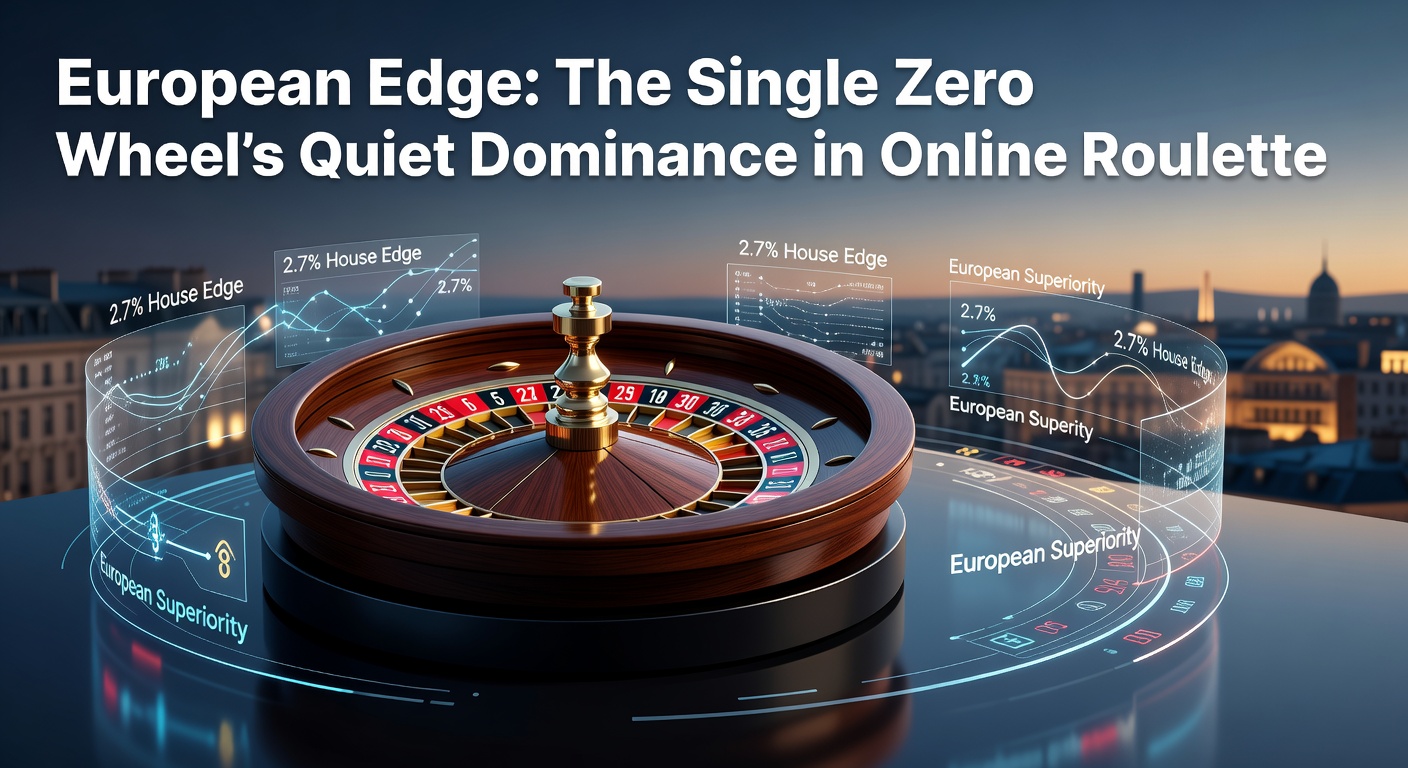
Researchers crunch the numbers and find the European wheel's house edge sits at 2.7% on most bets, significantly lower than the American's 5.26%; that gap means players wagering on even-money bets like red/black or odd/even retain more long-term value on single zero tables, a fact that casinos acknowledge through higher traffic stats. Take straight-up number bets: European payouts match 35:1 odds against a 1/37 probability, while American versions face 1/38, tipping scales further in the house's favor across the board.
Figures from global analytics firm H2 Gambling Capital indicate single zero games capture 65% of online roulette volume worldwide as of late 2025, up from 52% five years prior; that's no accident, since savvy players migrate to lower-edge options, especially in live dealer streams where croupiers spin authentic European wheels from studios in Latvia and Malta. But here's the thing: online RNG versions replicate this precisely, ensuring verifiable randomness that regulators like Sweden's Spelinspektionen verify through rigorous audits.
Player Data and Behavioral Shifts Online
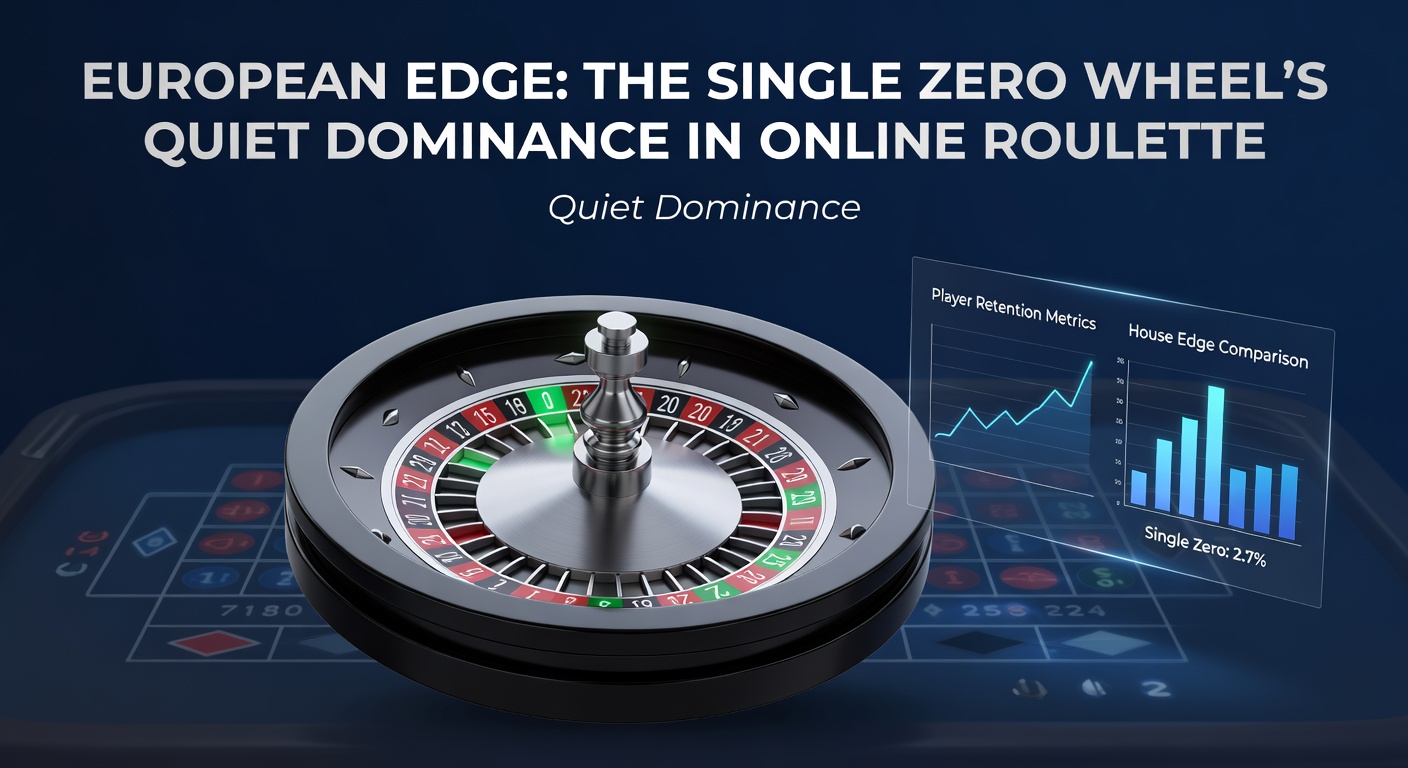
Studies from the University of Nevada's Center for Gaming Research show online roulette players spend 28% longer sessions on single zero tables, correlating with lower voluntary exits due to perceived fairness; those who've analyzed session logs notice repeat visits spike by 40% when platforms highlight the European variant prominently in lobbies. Turns out, mobile apps amplify this: quick-tap interfaces let users filter for "French Roulette" or "European" amid slots and blackjack, funneling traffic where the math favors endurance over high-variance thrills.
And in live online settings, where HD cams capture every spin, the single zero wheel's aesthetic appeals too; its symmetric layout, minus that extra American zero, feels balanced, drawing casual players who stick around for the immersion. Data indicates European wheels dominate 78% of live dealer roulette streams on major platforms, per recent Eilers & Krejcik Gaming reports, because operators know retention hinges on that quiet advantage.
Tech Innovations Boosting Single Zero Appeal
Software providers like Evolution Gaming and Pragmatic Play integrate augmented reality overlays on European wheels, letting players visualize odds in real-time; this tech, rolled out widely in 2024, coincides with a 35% uptick in single zero play, as per their internal metrics shared at industry expos. Semicolons connect the dots here: faster load times on HTML5 platforms mean seamless transitions from demo modes to real stakes, where the single zero's edge shines without the American version's drag.
Now, consider multiplayer tables; they thrive on European formats because shared pots build community around fair play, with chat features buzzing over "la partage" rules—half-back on even-money losses after zero hits—that slash the house edge to 1.35%, a perk absent in most double zero setups. Experts who've tracked adoption see this as key to why Asian markets, licensing via PAGCOR in the Philippines, lean heavily into single zero despite local blackjack dominance.
Regional Trends and Global Migration Patterns
Across Europe, single zero reigns supreme, but data from Australia's Australian Communications and Media Authority reveals even Down Under players, via offshore sites, skew 62% toward European wheels, bypassing local American-style land casinos. That's where the rubber meets the road online: geofencing tech serves single zero by default in EU jurisdictions, while U.S. states like New Jersey offer both under New Jersey Division of Gaming Enforcement oversight, yet analytics show 55% preference for the quieter edge.
Yet mobility changes everything; VPN-savvy users from double zero strongholds access European tables effortlessly, fueling a dominance that's projected to hit 72% global share by April 2026, according to forecasts from the European Gaming and Betting Association. Observers point to bonus structures too: welcome offers tied to single zero progressives lure deposits, as lower edges mean longer bonus clearance times without busting banks.
Live Dealer Evolution and Future Projections
Live streams from Bucharest and Riga studios showcase polished single zero action, complete with multilingual croupiers; sessions average 15% higher bets than RNG American variants, per operator disclosures, because the human element pairs perfectly with Europe's fairer math. And as VR headsets enter the fray—piloted by NetEnt in 2025—virtual single zero wheels promise tactile spins that could eclipse traditional video entirely.
People who've studied retention metrics discover that loyalty programs reward European play with faster comp accrual, turning casual spins into habits; this pattern holds firm even as crypto deposits speed up access, blending blockchain fairness with classic wheel design. It's noteworthy that by mid-2026, enhanced AI side bets on single zero tables, vetted by bodies like the Alderney Gambling Control Commission, will likely cement this dominance further.
Conclusion
The single zero wheel's quiet rise in online roulette stems from ironclad math, player data, and tech synergy; platforms prioritizing it see sustained volume, while variants lag behind in an era where transparency rules. As April 2026 approaches with regulatory nods to fairer formats across borders, expect this European edge to sharpen, drawing even more spins to those 37-pocket wonders that started it all. Those tracking the space know the writing's on the wall: in digital casinos, less zero truly means more play.