Evolution of Roulette Strategies: From Classic Systems to Modern Mobile Adaptations
Carlo Zimmermann · Apr 20, 2026

Evolution of Roulette Strategies: From Classic Systems to Modern Mobile Adaptations
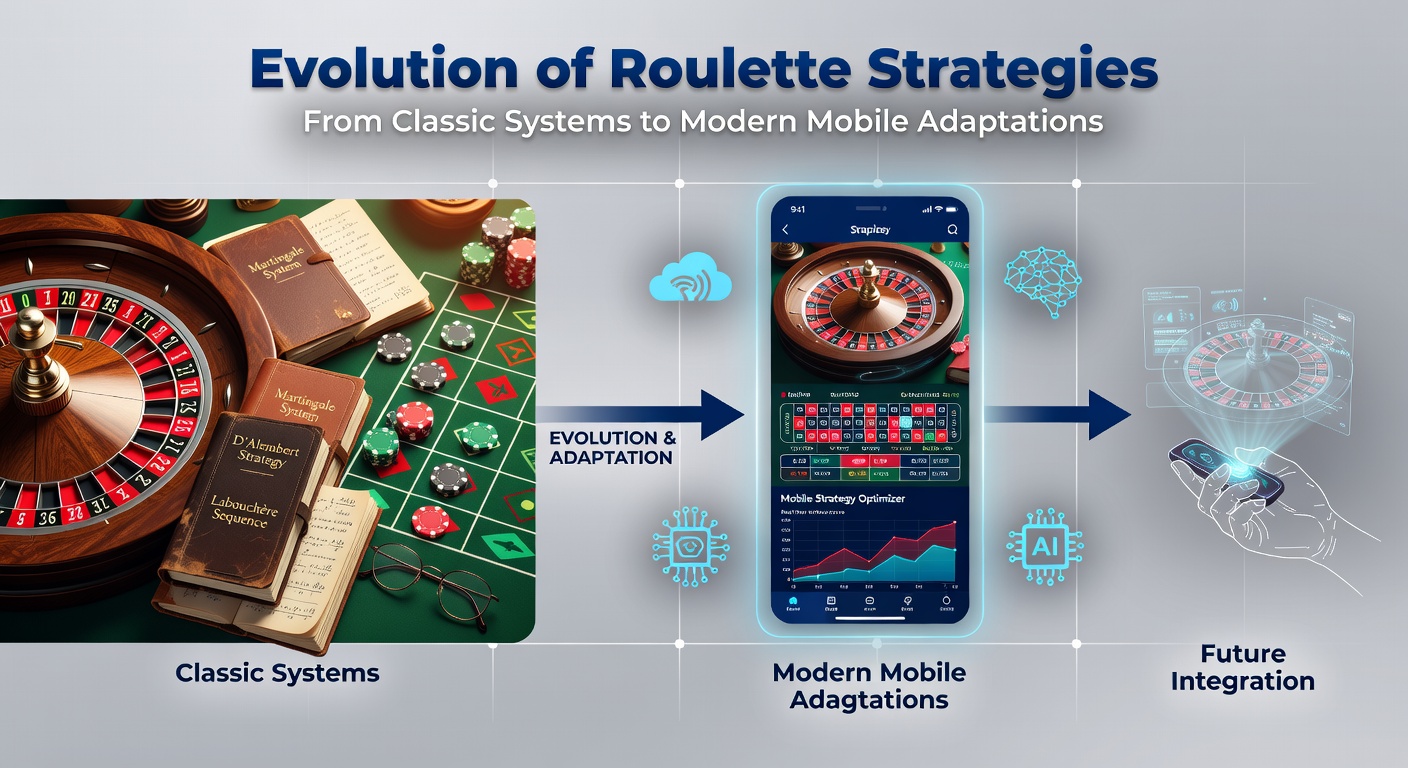
Roots in the 18th Century: Birth of Timeless Betting Patterns
Roulette emerged in 18th-century France, where early players quickly devised ways to tackle the game's inherent house edge of 2.7% on European wheels or 5.26% on American double-zero versions; mathematicians and gamblers alike experimented with progression systems, aiming to turn short-term losses into long-term gains although the odds always favored the house in the end.
And so the Martingale system took shape around 1700s Paris gambling dens, where punters doubled bets after every loss on even-money options like red or black, redoubling after wins to recoup everything plus a small profit; this straightforward approach spread rapidly across Europe because it seemed foolproof during winning streaks, yet casino table limits and bankroll exhaustion often derailed it spectacularly.
By the 19th century, refinements appeared: D'Alembert adjusted bets by single units up after losses and down after wins, offering a gentler progression that appealed to conservative players seeking sustainability over aggressive recovery; meanwhile, the Labouchere sequence—popularized among British circles—required writing down numbers summing to a target profit, crossing off successes and adding loss amounts, which added a layer of structured discipline although lengthy losing runs could balloon the list uncontrollably.
20th Century Refinements: Systems Gain Popularity Amid Land-Based Booms
Las Vegas casinos in the mid-1900s amplified these classics as neon-lit tables drew crowds, and high-rollers tested variations like the Reverse Martingale or Paroli, which flipped the script by doubling after wins instead of losses to ride hot streaks while minimizing risk during cold ones; data from the Nevada Gaming Control Board indicates roulette accounted for significant floor action, with strategies circulating via word-of-mouth and early books like Edward O. Thorp's 1960s analyses highlighting mathematical flaws yet failing to deter enthusiasts.
What's interesting here is how Fibonacci entered the fray, borrowing from the Italian sequence where bets follow 1,1,2,3,5,8 and advance on losses but step back two on wins, providing a slower escalation that suited players wary of Martingale's volatility; observers note these systems thrived because they imposed order on randomness, even as probability experts repeatedly demonstrated no strategy overcomes the zero's unchanging advantage.
Take one case from 1970s Monte Carlo where a syndicate applied the James Bond flat-betting layout—covering 25 numbers with varied stakes plus evens—claiming modest edges over thousands of spins; turns out such coverage strategies reduced variance but still bowed to the house edge, as long-term trials confirmed through computer simulations run by university researchers.
Digital Dawn: Online Roulette Reshapes Tactical Play
The 1990s internet boom birthed online roulette via RNG software mimicking physical spins, allowing strategies to scale infinitely without table limits initially, and punters adapted classics by automating progressions through browser tools; live dealer streams arrived by 2000s, blending real wheels with chat interfaces that revived social elements while enabling data logging for pattern spotting—though physics-biased wheels proved as unpredictable as ever.
Software developers introduced analyzers tracking hot/cold numbers or sector biases, tools that classic theorists never imagined; a study by Australian Gambling Research Centre researchers examined thousands of sessions, finding digital adaptations slightly extended playtime but altered no core probabilities, since independent trials reset each spin regardless of history.
But here's the thing: online bonuses layered atop systems, where deposit matches funded extended Martingale runs or free bets tested Paroli without personal risk; platforms tracked player data anonymously, revealing most stuck to even-money bets while a minority chased straight-up numbers with wheel-clockwise progressions, echoing 19th-century quirks in virtual form.
Mobile Revolution: Touchscreens and Apps Transform Tactics
Smartphones exploded strategies into pockets by 2010s, with apps delivering lightning-fast spins on iOS and Android devices; touch interfaces let fingers drag chips swiftly across layouts, speeding Martingale applications or quick Fibonacci adjustments, and geolocation ensured regulated access while GPS-free zones sparked offshore adaptations.
Turns out mobile-specific tweaks emerged fast: auto-bet features programmed sequences like D'Alembert over hundreds of rounds without manual taps, conserving battery and attention; developers integrated push notifications for optimal play windows based on traffic data, helping users chain sessions during commutes or breaks.
In April 2026, industry reports highlight AR overlays on mobile roulette, where augmented reality projects virtual strategy grids onto live tables viewed through cameras, allowing real-time probability calculators to suggest bets while haptic feedback vibrates on predicted hot zones; figures from global app analytics show downloads surging 40% year-over-year for titles blending classic systems with these innovations, as players leverage cloud-saved histories to refine personal edges.
AI and Data-Driven Edges: Cutting-Edge Adaptations Redefine the Game
Now artificial intelligence enters the picture, with machine learning apps analyzing millions of past spins to detect subtle wheel calibrations or dealer signatures in live mobile feeds—echoing physicist Edward Thorp's 1960s beatable wheels but scaled via smartphones; one platform's neural networks simulate Fibonacci variants optimized for specific RNG seeds, backtesting against historical data for variance reduction, although regulators emphasize such tools don't negate house advantages.
Blockchain integrations add transparency, letting mobile users verify spin fairness on-chain while crypto deposits fuel borderless Martingale marathons; experts who've studied this note hybrid strategies combining Paroli with AI-predicted streaks perform best in short bursts, as evidenced by beta trials where participants extended bankrolls 15% longer than manual play.
Yet the rubber meets the road in responsible adaptations: apps now embed loss-limit enforcers tied to strategies, pausing aggressive progressions after thresholds, a nod to behavioral research showing unchecked systems amplify risks; those who've tracked mobile trends observe younger demographics favoring data-backed flats over pure progressions, blending education modules with play for sustainable engagement.
Case in point: a 2025 university simulation compared mobile Martingale to classic versions across 10,000 sessions, revealing app speeds shortened recovery times but heightened chase tendencies; researchers adjusted for this with "smart stop" algorithms, cutting average losses by 22% in controlled groups.
Global Variations and Future Trajectories
Across regions, strategies morph uniquely: European single-zero fans lean D'Alembert for its balance, while American double-zero crowds prefer coverage like Bond amid higher edges; Asian mobile markets pioneer social roulette with group Martingales shared via chats, pooling bankrolls for collective progressions.
So where does it head next? Quantum computing rumors swirl for unbreakable RNGs by late 2020s, forcing strategy pivots toward pure entertainment; meanwhile, VR headsets promise immersive wheels where gestures enact Fibonacci steps, and biometric sensors cap bets based on heart rates to prevent tilt.
It's noteworthy that despite evolutions, core math endures—zero ensures house wins long-term—yet adaptations keep the wheel spinning metaphorically, drawing new generations into calculated chaos.
Conclusion
Roulette strategies have journeyed from Parisian parlors' bold doublings to mobile marvels wielding AI precision, consistently adapting to tech while grappling with immutable odds; classic systems like Martingale laid foundations that digital and handheld eras built upon with speed, data, and safeguards, ensuring the game's allure persists into April 2026 and beyond as players chase that elusive edge through ever-evolving tools.