Gibraltar Commissioner Andrew Lyman Flags Risks from UK Gambling Tax Hike and Strict Rules
Rafael Zimmermann · Mar 20, 2026

Gibraltar Commissioner Andrew Lyman Flags Risks from UK Gambling Tax Hike and Strict Rules
Andrew Lyman, Gibraltar's gambling commissioner, recently issued a stark warning about the United Kingdom's upcoming regulatory changes in the gambling sector, pointing to a tax increase on remote gaming duty set to hit 40% starting April 1, 2026, alongside what he describes as overly stringent player protection measures that could force licensed operators to flee the market while shoving players toward less safe offshore alternatives.
Background on the UK Regulatory Shift
The UK government has been ramping up its oversight of the online gambling industry for years now, with recent announcements outlining a major overhaul; this includes that steep remote gaming duty hike from the current 21%, a move designed to boost revenue but which observers like Lyman argue misses the mark on protecting consumers effectively. And while the changes don't fully kick in until spring 2026, operators already feel the pressure building, especially as consultations wrap up and details solidify ahead of implementation.
What's interesting here is how these measures stem from broader efforts to curb problem gambling, yet Lyman, drawing from Gibraltar's vantage point as a key hub for UK-facing operators, contends they swing too far, potentially undermining the very industry that generates billions in economic activity. Gibraltar, home to over 30 licensed remote gambling firms employing thousands, sits just across the water from the UK mainland, so shifts there ripple directly across the Strait.
Take the timeline: by March 2026, companies will have just weeks to adjust before the tax bites fully, prompting some to eye exits or restructurings that could reshape the landscape overnight.
Lyman's Core Arguments Against Overreach
In his pointed remarks, Lyman highlighted how universal restrictions on stakes, checks, and affordability fail to distinguish between casual players and those at genuine risk, arguing instead for a targeted strategy that homes in on high-risk behaviors while promoting personal accountability. But here's the thing: such blanket rules, he warns, don't just burden operators with compliance costs that soar into the millions; they also deter investment, leading to fewer innovations in safer gaming tech that everyone agrees benefits players long-term.
Experts who've tracked similar regulatory waves in other jurisdictions, like those monitored by the Malta Gaming Authority, note that heavy-handed approaches often backfire, pushing activity underground where safeguards vanish entirely. Lyman echoes this, stressing that licensed platforms offer robust tools—self-exclusion, deposit limits, reality checks—that unregulated offshore sites simply lack, yet the UK's path risks herding consumers straight toward those very dangers.
And consider the numbers: the UK online casino and betting market supports around 100,000 jobs directly, with indirect employment pushing that figure higher; a mass exodus, Lyman predicts, spells thousands of redundancies, gutting communities reliant on this sector while tax revenues paradoxically dip as activity flees to jurisdictions with lighter touches.
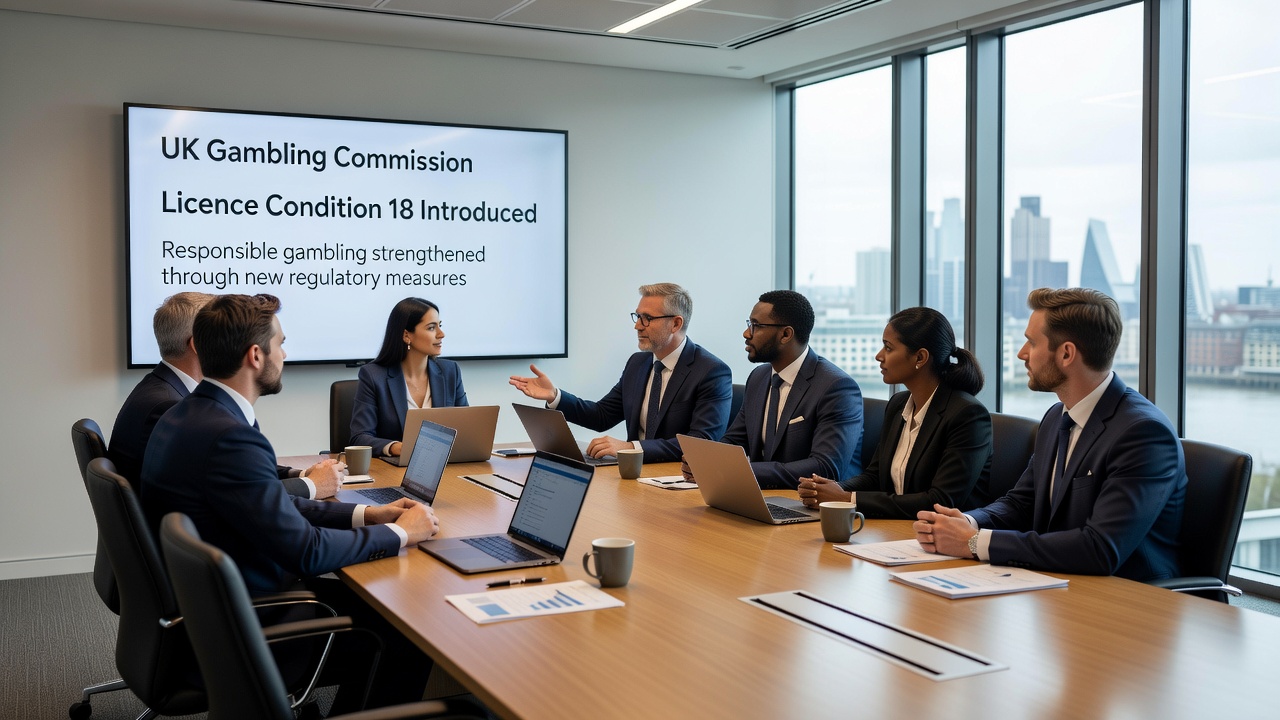
Breaking Down the Key Measures in Question
At the heart of Lyman's critique sits that 40% remote gaming duty, up sharply from today's levels, which operators pass on through tighter margins or higher odds against players; coupled with mandates for frequent frictionless checks on spending habits, these rules demand data-sharing across sectors that privacy advocates question, although proponents claim they prevent debt spirals before they start. Yet Lyman counters that such universal impositions ignore evidence from behavioral studies showing most gamblers self-regulate just fine, with interventions best saved for the vulnerable few.
Turns out, data from industry reports reveals licensed operators already invest heavily in responsible gaming—over £500 million annually in the UK alone on tools and staff training—making additional layers feel redundant, even counterproductive, as firms weigh the costs of staying versus relocating to places like Malta or the Isle of Man where regs strike a different balance.
One case that underscores this comes from earlier tax tweaks in 2019, when point-of-consumption duties shifted dynamics and saw some operators consolidate or exit, a preview perhaps of what's brewing now as March 2026 approaches and contingency plans take shape.
Projected Fallout for Operators and Consumers
Lyman doesn't mince words on the domino effects: licensed firms, squeezed by the tax and compliance burdens, might shutter UK operations or pivot entirely offshore, leaving a vacuum filled by unregulated platforms that dodge taxes, skip ID verification, and offer zero recourse for disputes. Players, lured by promises of better odds or bonuses without the red tape, land in riskier waters, where addiction tools are jokes and funds vanish without trace.
Researchers observing parallel scenarios in Australia, as tracked by the Australian Communications and Media Authority, have documented how crackdowns there funneled activity to black markets, spiking harms despite good intentions; the UK, Lyman suggests, courts a similar fate unless it recalibrates. Job losses loom large too—Gibraltar firms alone employ over 2,000 in tech and support roles tied to UK markets—while investor flight chills the £14 billion sector, stunting growth in areas like live dealer casinos that blend entertainment with controls.
So as 2026 nears, the ball's in policymakers' court to weigh these warnings against revenue goals, with Lyman's voice amplifying concerns from an industry insider who's seen operators thrive under smarter regs.
Toward a Balanced Path Forward
What Lyman proposes instead is nuance: empower regulators to zero in on problem indicators like rapid deposits or session lengths via AI-driven monitoring, while ditching one-size-fits-all caps that frustrate responsible players; this approach, he notes, mirrors successes in jurisdictions balancing protection with market health, fostering environments where innovation flourishes because operators stick around to compete fairly.
People who've studied gambling economies point out that education campaigns and voluntary tools often outperform mandates, with data indicating self-exclusion uptake rising 20% in recent years without forced prompts. And while the UK pushes ahead, Lyman's call highlights a broader debate—how to shield the vulnerable without torching the legitimate trade that funds public services.
It's noteworthy that Gibraltar itself maintains strict licensing, mandating third-party audits and player funds segregation, proving tough oversight works when tailored, not totalizing.
Conclusion
Andrew Lyman's timely alert from Gibraltar underscores the high stakes as the UK's 40% remote gaming duty and player protection expansions loom large, set to reshape online casinos and betting from April 2026 onward; while aimed at harm reduction, these steps risk operator flight, job cuts, and a surge in offshore play lacking any real protections, prompting calls for smarter, risk-focused reforms that preserve industry vitality. Observers watch closely, knowing the coming months will test whether balance prevails over blanket measures in this pivotal corner of the global gambling landscape.
Figures from the original GamblingNews coverage paint a clear picture of the tensions at play, with Lyman's perspective carrying weight from a regulator embedded in the cross-border ecosystem.