Global Regulatory Standards Elevating Secure Transactions in Live Dealer and Slot Systems
Olivia Hoffmann · Aug 12, 2026
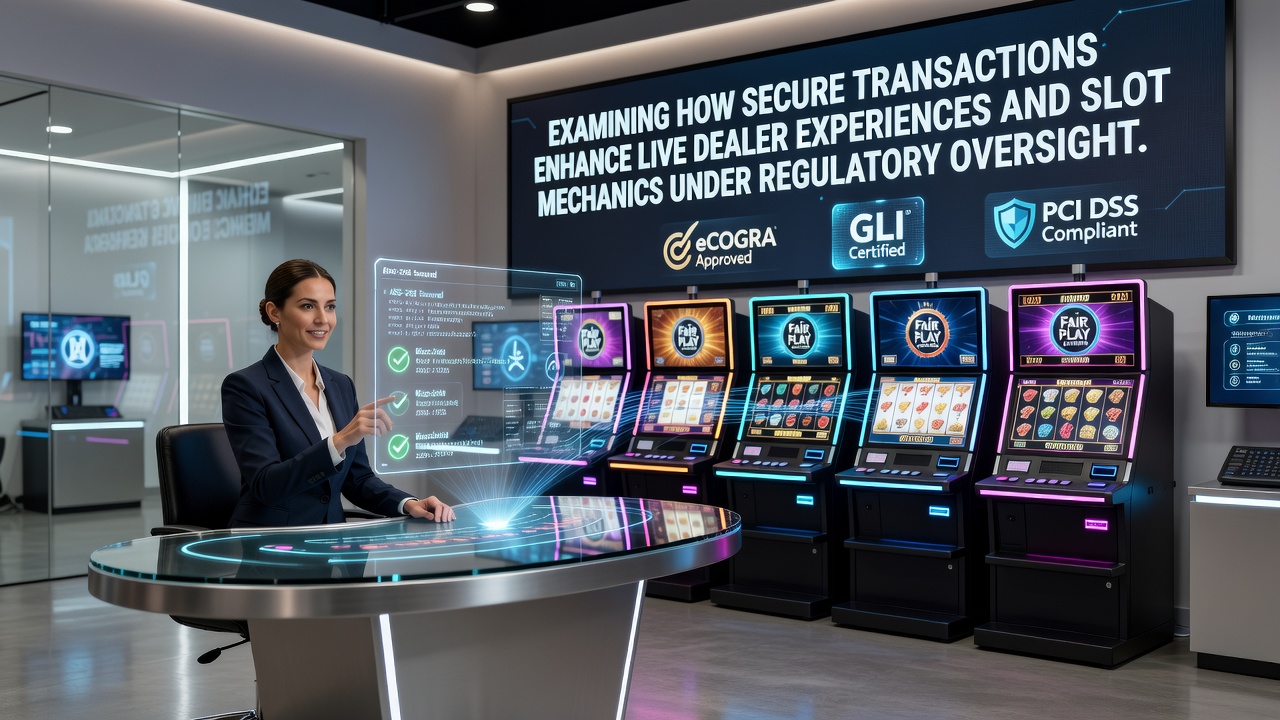
Global Regulatory Standards Elevating Secure Transactions in Live Dealer and Slot Systems
Regulatory bodies across multiple continents enforce strict standards for transaction security that directly shape how live dealer tables and slot machines operate in licensed environments. These frameworks require encryption protocols, identity verification layers, and real-time monitoring systems that operators must integrate into their platforms before receiving approval to offer games. Data from industry reports show that jurisdictions maintaining these requirements record higher player retention rates on both live dealer streams and automated slot titles.
Payment Security Requirements in Major Markets
Authorities in the United States, including the Nevada Gaming Control Board, mandate that all financial transfers undergo multi-factor authentication and comply with PCI-DSS standards before any wager processes on live tables or slots. Similar rules apply in Canadian provinces where provincial regulators require operators to segment player funds from operational accounts, creating isolated ledgers that reduce fraud exposure during high-volume slot sessions or live blackjack rounds. Observers note that these measures allow platforms to process deposits and withdrawals within seconds while maintaining audit trails that regulators review during periodic inspections.
European oversight bodies outside the United Kingdom apply comparable directives, requiring SSL/TLS encryption for every transaction tied to live dealer feeds and random number generators in slots. Operators must demonstrate that these protections prevent interception or tampering, which in turn supports seamless integration of features such as instant side bets on roulette wheels or progressive jackpot triggers on slot reels. Research indicates that platforms meeting these benchmarks experience fewer interruptions during peak hours, since secure channels handle traffic spikes without triggering manual reviews.
Live Dealer Platform Enhancements from Transaction Controls
Secure payment gateways feed directly into the operational flow of live dealer experiences by confirming player balances before each round begins. This verification step reduces delays that once occurred when funds cleared after the fact, allowing dealers to focus on card distribution and wheel spins rather than resolving payment disputes. Platforms that adopted tokenized payment methods report smoother handoffs between deposit confirmation and game entry, particularly during extended sessions involving multiple tables.
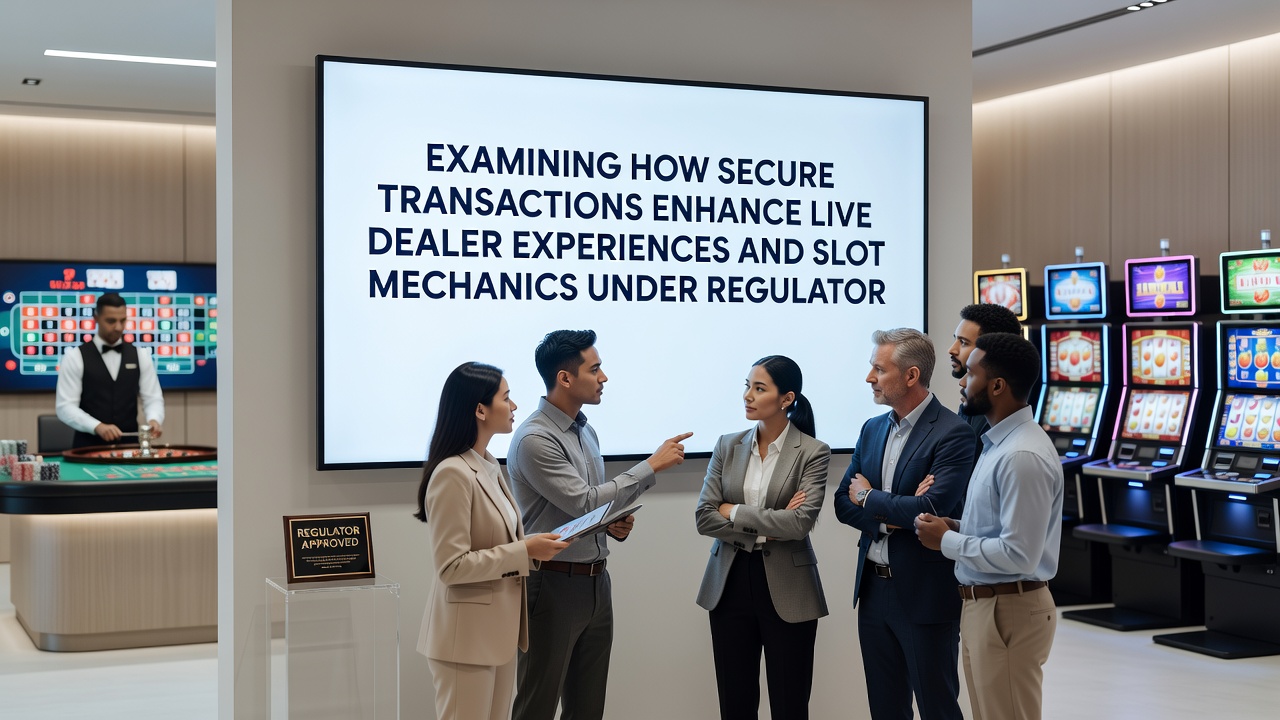
Regulatory audits now examine how quickly platforms reconcile live wagers with actual account balances, pushing developers to embed payment status indicators within the dealer interface itself. Those who have studied these systems find that players encounter fewer authentication pop-ups mid-game, which preserves immersion while still satisfying oversight demands for transparency. In August 2026, several North American regulators plan to introduce updated guidelines that further tie transaction logging to video archive retention periods, ensuring every live table session carries matching financial records for compliance review.
Slot Mechanics and Certified Transaction Integrity
Slot systems rely on certified random number generators whose outputs connect to payout mechanisms that regulators verify through secure transaction logs. When deposits arrive via protected channels, the game server can immediately allocate credits to the correct session without additional manual checks, supporting uninterrupted play across thousands of spins per hour. Industry data reveals that jurisdictions enforcing these linkages see lower dispute volumes because every outcome traces back to verified funds rather than pending authorizations.
Operators integrate API connections between payment processors and slot backends that trigger automatic compliance flags if patterns suggest unusual activity. These flags prompt temporary holds that regulators view as protective rather than restrictive, since they prevent larger issues from developing during bonus rounds or progressive jackpot sequences. The approach aligns with broader goals of maintaining game integrity while allowing rapid fund movement that players expect from modern platforms.
Cross-Border Regulatory Alignment and Technology Adoption
International organizations such as the Nevada Gaming Control Board and Australian state gaming authorities share best practices on transaction security that influence platform design worldwide. These exchanges encourage adoption of uniform encryption standards, which in turn simplifies how operators scale live dealer studios and slot networks across different licensing regions. Platforms that align with multiple frameworks gain operational flexibility, since one set of security tools satisfies requirements in several markets simultaneously.
Studies conducted by academic research groups have tracked the correlation between transaction security investments and measurable uptime improvements in both live and automated gaming verticals. Results show that systems incorporating end-to-end encryption and real-time reconciliation experience fewer technical interruptions, allowing regulators to focus audits on behavioral patterns rather than basic infrastructure failures.
Conclusion
Secure transaction requirements established by regulators in diverse jurisdictions continue to shape the technical architecture supporting live dealer interactions and slot mechanics. These standards produce verifiable audit trails, faster balance updates, and reduced friction during gameplay, all while meeting oversight criteria that evolve with emerging technologies. As additional guidelines take effect in 2026, operators maintain focus on integrating compliant payment layers that sustain both regulatory approval and operational continuity across global markets.