Innovations in Mobile Payments Driving Strategic Live Dealer Experiences in British Regulated Markets
Casey Werner · Jun 24, 2026
Innovations in Mobile Payments Driving Strategic Live Dealer Experiences in British Regulated Markets
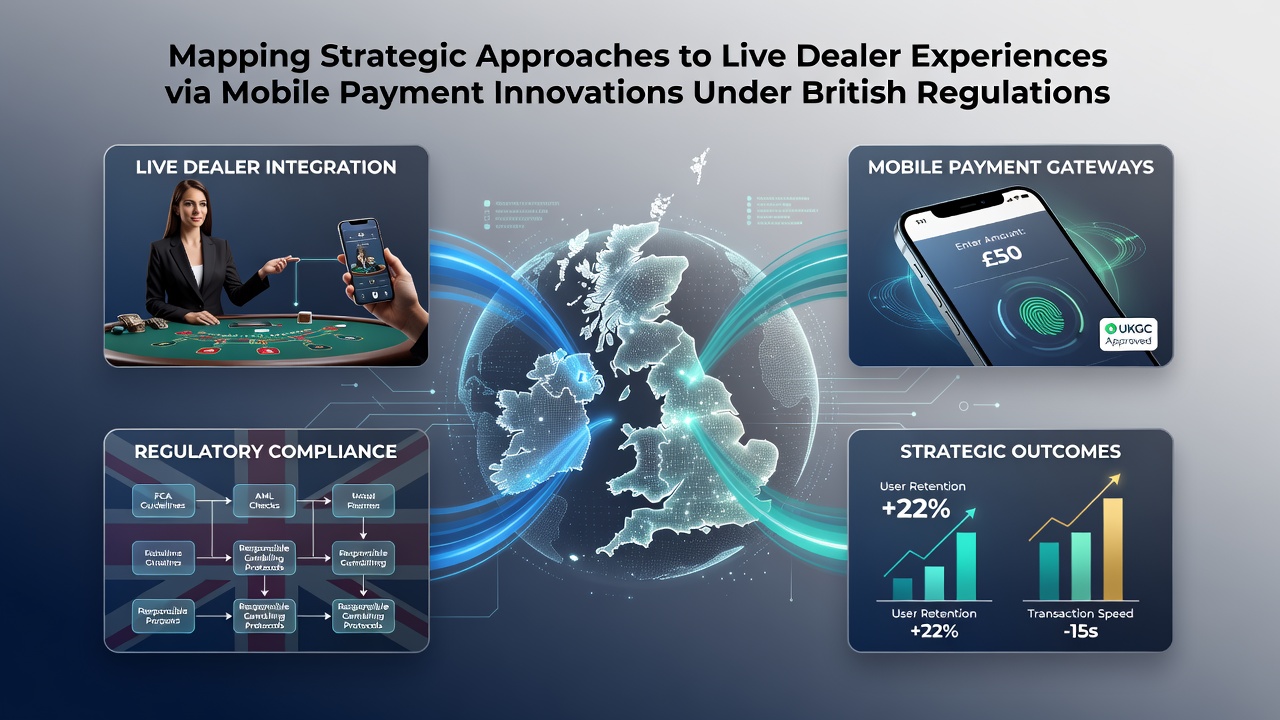
Live dealer platforms operating under British regulations have incorporated mobile payment systems that support real-time transactions while meeting compliance standards for security and player verification, and these approaches connect directly to the operational frameworks set by licensing authorities. Research from the European Gaming and Betting Association shows how payment gateways now interface with streaming dealer interfaces to reduce latency during blackjack and roulette sessions, allowing seamless balance updates without interrupting gameplay sequences.
Operators map these strategies by aligning instant transfer protocols with identity checks that satisfy British licensing conditions, whereas older batch processing methods created delays that affected table flow and player retention metrics. Data from industry reports indicate that contactless options and digital wallet integrations have expanded since 2024, enabling users to move funds between accounts and live sessions in seconds rather than minutes, and this shift supports extended dealer interactions across multiple games on a single mobile connection.
Payment Protocol Alignments with Regulatory Requirements
British frameworks require encryption standards and transaction logging that mobile systems now embed at the point of deposit and withdrawal, so developers design layered authentication flows that trigger automatically when a player joins a live table. Observers note that these protocols often combine biometric verification with device fingerprinting to maintain continuity during dealer rotations, and the result appears in reduced friction for users switching between slot bonuses and live tables without repeated logins.
Strategic mapping further involves categorizing payment methods by speed and fee structures, with e-wallet providers leading in adoption rates because they process verifications through pre-approved channels that align with regulatory timelines. Figures from regulatory filings reveal that average deposit completion times dropped below ten seconds on compliant apps by early 2025, and this metric correlates with higher session durations in live dealer environments where timing influences betting decisions.
Integration Patterns Across Dealer Interfaces
Live dealer software providers coordinate with payment processors to embed transaction status indicators directly into the video feed overlays, so players receive confirmations without leaving the table view. This integration pattern allows for dynamic limit adjustments based on real-time account balances, and those who've studied similar systems in other jurisdictions find that British implementations emphasize audit trails that record every transfer alongside game outcomes for compliance reviews.
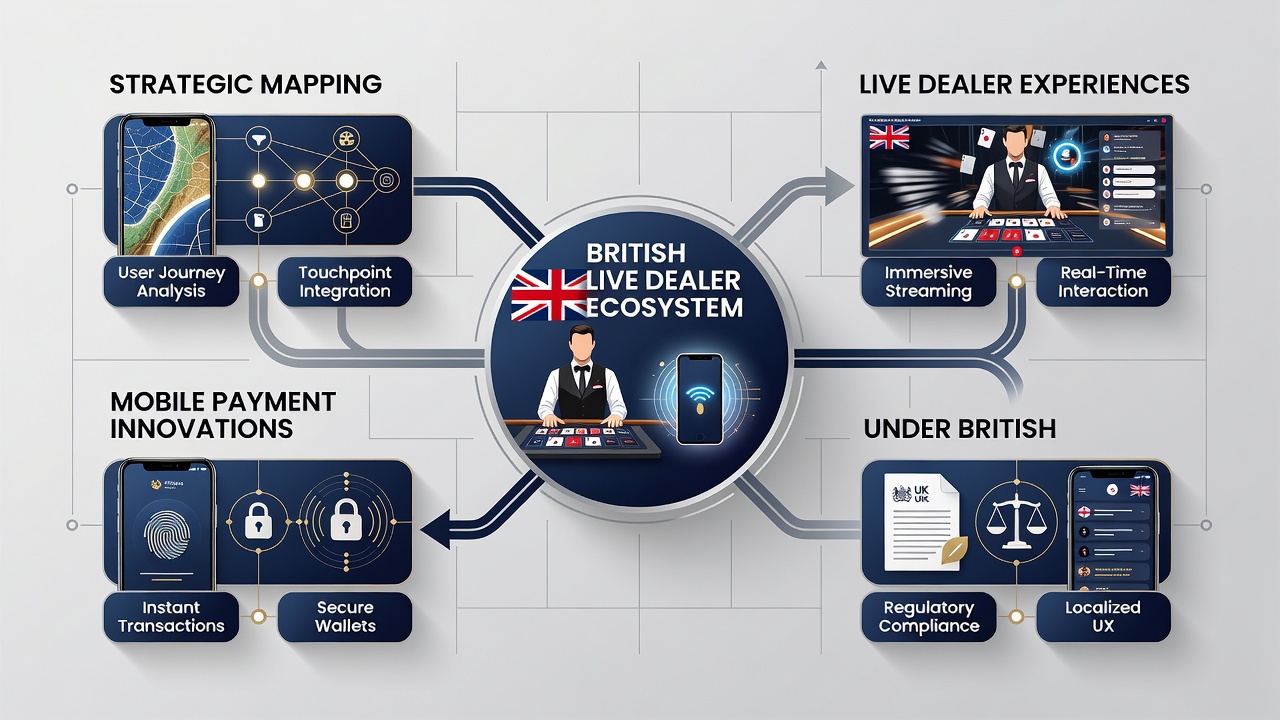
Case examples include platforms that route smaller wagers through aggregated micro-transaction batches while handling larger stakes through direct bank linkages, and this tiered approach minimizes processing overhead during peak hours. Research indicates that such segmentation supports regulatory reporting requirements by generating categorized logs that separate promotional credits from player-funded deposits, which streamlines oversight processes scheduled for updates around June 2026.
Emerging Technology Layers in Mobile Ecosystems
Tokenization techniques now appear in several licensed British apps, converting payment details into single-use codes that protect user data during live sessions and reduce exposure risks associated with persistent storage. Industry analyses highlight how these layers connect with geolocation services to confirm play occurs within permitted regions, and the combination strengthens overall system resilience without adding noticeable delays to dealer interactions.
Additional mapping efforts focus on cross-border compatibility for users traveling within the European Economic Area, where payment rails must accommodate varying currency conversions while preserving compliance with British standards. Data shows increased usage of stablecoin pilots in test environments, although full rollout remains tied to forthcoming clarifications expected mid-2026, and operators track these developments to adjust their strategic roadmaps accordingly.
Performance Metrics and Operational Outcomes
Studies compiled by academic researchers at institutions including the University of Nevada, Las Vegas Gaming Innovation Center track how mobile payment speed influences live dealer retention rates, with evidence pointing to measurable gains when transaction confirmations occur under three seconds. Those metrics feed into broader strategic models that prioritize payment reliability as a core component of platform architecture rather than an add-on feature.
Operators document these patterns through internal dashboards that correlate payment method selection with game type preferences, revealing that live roulette sessions often pair with faster wallet options while blackjack tables see more varied usage across card-linked methods. Such observations guide resource allocation for infrastructure upgrades planned through the remainder of the decade.
Conclusion
Strategic approaches to live dealer experiences continue evolving through mobile payment innovations that satisfy British regulatory demands for security, speed, and transparency. Mapping exercises performed by operators and technology partners demonstrate consistent progress in aligning transaction systems with table dynamics, and ongoing developments through June 2026 are expected to refine these connections further based on accumulated performance data.