Payment Mechanisms Shaping Strategies in Regulated Smartphone Casino Platforms
Rafael Zimmermann · Jun 26, 2026
Payment Mechanisms Shaping Strategies in Regulated Smartphone Casino Platforms
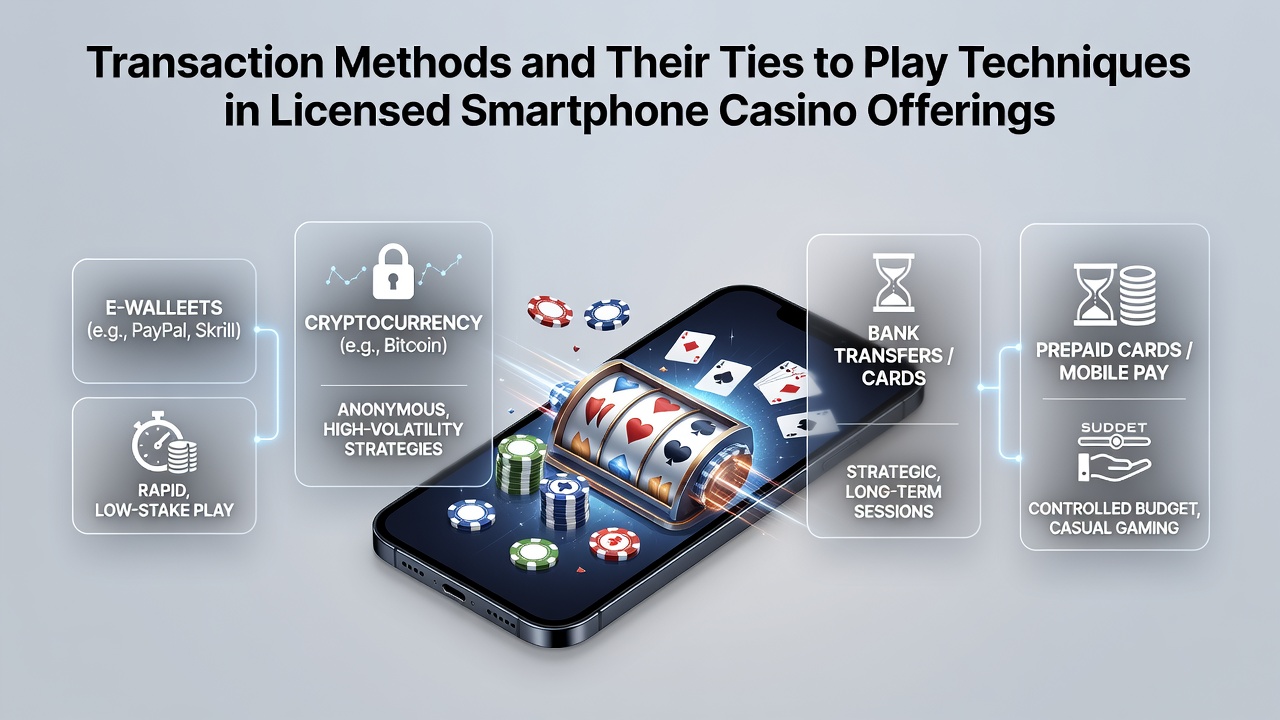
Transaction methods in licensed smartphone casino offerings connect directly to how players approach games like slots, roulette and blackjack, because funding speed and reliability shape when and how strategies unfold during sessions. Research from industry reports shows that options such as credit cards, e-wallets and instant bank transfers determine the pace at which users access bonuses or adjust bets mid-play, while slower methods like traditional wire transfers often lead to more deliberate pacing in table games.
Those who have examined mobile casino data note that seamless deposits enable rapid entry into bonus rounds or live dealer tables, whereas methods requiring verification steps encourage players to plan sessions in advance and focus on longer-term bankroll management techniques.
Popular Transaction Options and Their Core Features
Licensed platforms support a range of funding tools that vary by region and operator approval, including debit and credit cards for widespread use, digital wallets like PayPal or Skrill for quicker processing, and emerging options such as cryptocurrency transfers in select jurisdictions where regulations permit. According to figures from the American Gaming Association, card-based deposits account for a significant share of mobile transactions because they integrate easily with app interfaces and allow immediate play after approval, while e-wallets reduce friction for users who return frequently to chase progressive jackpots or apply free spin offers.
Bank transfers remain common for larger amounts yet introduce delays that affect how participants time their entries into high-stakes roulette sequences or blackjack doubling strategies. Observers note that these differences create distinct patterns, since faster methods support spontaneous technique shifts, such as switching from conservative slot betting to aggressive bonus hunting within the same hour.
Connections Between Funding Speed and Gameplay Approaches
Data indicates that deposit velocity influences play techniques across game types because instant approvals let users capitalize on time-limited promotions or respond to live table developments without interruption. In slots, for instance, quick funding supports repeated spin sequences aimed at triggering multipliers, while delayed options push players toward measured sessions that prioritize free spin accumulation over immediate risk escalation. Experts have observed similar dynamics in blackjack where rapid top-ups facilitate split and double-down decisions during favorable card counts, whereas slower methods lead to more conservative adherence to basic strategy charts until funds clear.
What's interesting is how withdrawal processes mirror these patterns in reverse, since reliable payout channels encourage players to maintain consistent strategies across multiple sessions rather than cashing out prematurely after small wins. One study from the University of Nevada, Las Vegas Center for Gaming Research revealed correlations between payment reliability and session length, showing that users with access to instant e-wallet withdrawals often extend play on live dealer games to test advanced betting progressions.
Regional Regulations and Emerging Patterns by June 2026
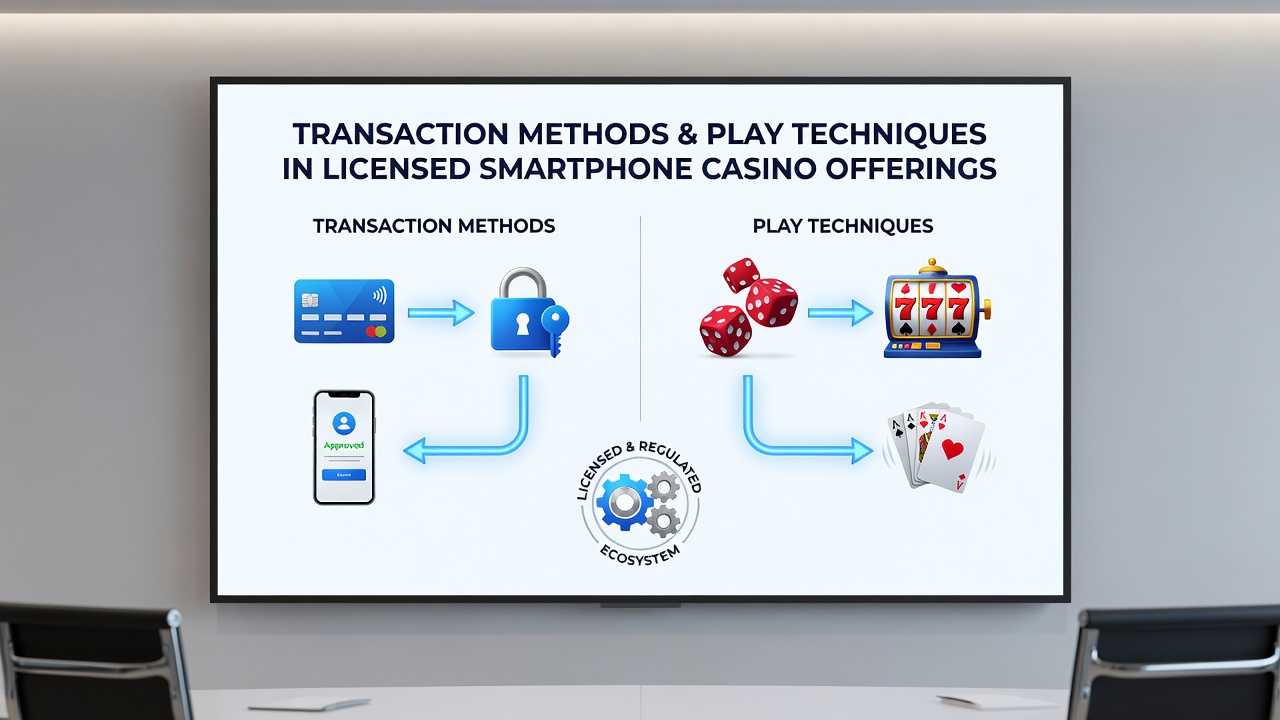
Regulatory bodies across different areas continue to shape which transaction methods operators can offer, with the Malta Gaming Authority enforcing standards that tie payment verification to responsible play tools, and Australian state commissions like the Victorian Commission for Gambling and Liquor Regulation requiring clear disclosure of processing times to help users align funding choices with their preferred techniques. By June 2026, several jurisdictions are expected to expand support for digital identity verification in payments, which could streamline deposits further and allow more fluid integration with in-game strategy adjustments during bonus events.
Industry organizations such as the European Gaming and Betting Association have documented how these updates reduce barriers for mobile users, leading to increased adoption of methods that support real-time play shifts in roulette and blackjack without extended pauses for manual approvals. Those who've tracked transaction logs across licensed apps find that such changes correlate with higher engagement in multi-game sessions where players alternate between slots for bonus accumulation and table games for skill-based decisions.
Case Examples from Licensed Environments
Take one operator in a regulated European market that introduced instant bank app transfers, after which players began employing more dynamic slot techniques involving rapid bet increases following small wins to leverage new deposit momentum. In another instance, platforms in North American jurisdictions that prioritized card and wallet options saw users refine blackjack approaches around quick reloads that maintained table presence during dealer changes, according to aggregated session analytics shared by research institutions.
These examples illustrate how transaction reliability becomes part of the strategic toolkit, since users learn to select methods that match their game preferences and session goals without external delays interrupting momentum.
Conclusion
Transaction methods in licensed smartphone casino offerings remain intertwined with play techniques because each funding option carries timing implications that affect bet sizing, game selection and session duration across slots, roulette and blackjack. As regulatory frameworks evolve through 2026, these connections are likely to deepen with faster verification tools that further align payment flows to in-app strategies, supported by data from diverse sources including academic centers and regional gaming associations. Players and operators alike continue to adapt within these parameters, where the choice of method directly informs how techniques develop during mobile sessions.