Payment Preferences: How Deposit Methods Steer Choices Between Mobile Slots and Table Games
Olivia Hoffmann · Jun 3, 2026
Payment Preferences: How Deposit Methods Steer Choices Between Mobile Slots and Table Games
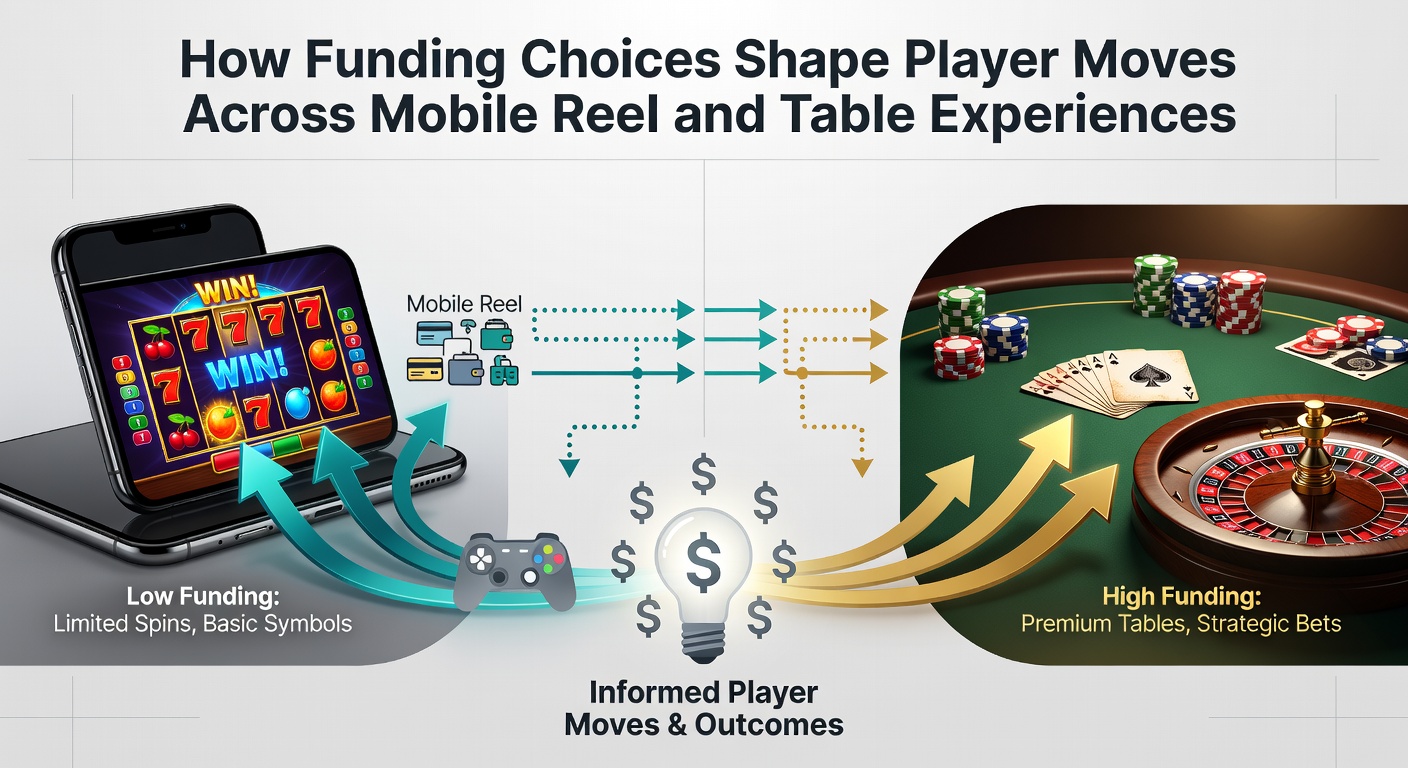
Funding methods in mobile gaming environments connect directly to how participants allocate time and resources across reel-based titles and table formats, and payment speed, fee structures, plus bonus eligibility rules often determine the initial game selection and subsequent switches. Research from the American Gaming Association shows that instant bank transfers and digital wallets account for over 60 percent of deposits in regulated mobile platforms during 2025, while slower card options trail behind in usage frequency.
Players who choose e-wallets frequently begin with reel experiences because these methods support quick top-ups that align with short session lengths typical of slot play, whereas credit card users lean toward table environments where larger, planned stakes fit the slower processing times associated with those instruments. Data released in June 2026 by a collaborative study involving Canadian regulatory bodies and academic researchers indicates that deposit method correlates with average session duration, with wallet-funded accounts averaging 18 minutes on reels compared to 27 minutes on tables when card funding predominates.
Deposit Speed and Initial Game Selection
Instant funding options reduce friction at the entry point, allowing immediate access to promotional spins or matched deposits that apply across both reel libraries and live dealer tables, and this accessibility encourages experimentation between formats within the same login period. When processing times extend beyond a few minutes, participants tend to commit to one category rather than migrate mid-session, which limits exposure to table variants that require sustained bankroll management.
Studies conducted through the University of Nevada, Las Vegas gaming research program highlight that platforms offering same-minute approvals see higher crossover rates, with 42 percent of users moving from reels to tables within a single hour when deposits clear instantly. Slower methods produce the opposite pattern, locking activity into whichever category loads first after funding completes.
Bonus Structures Tied to Payment Types
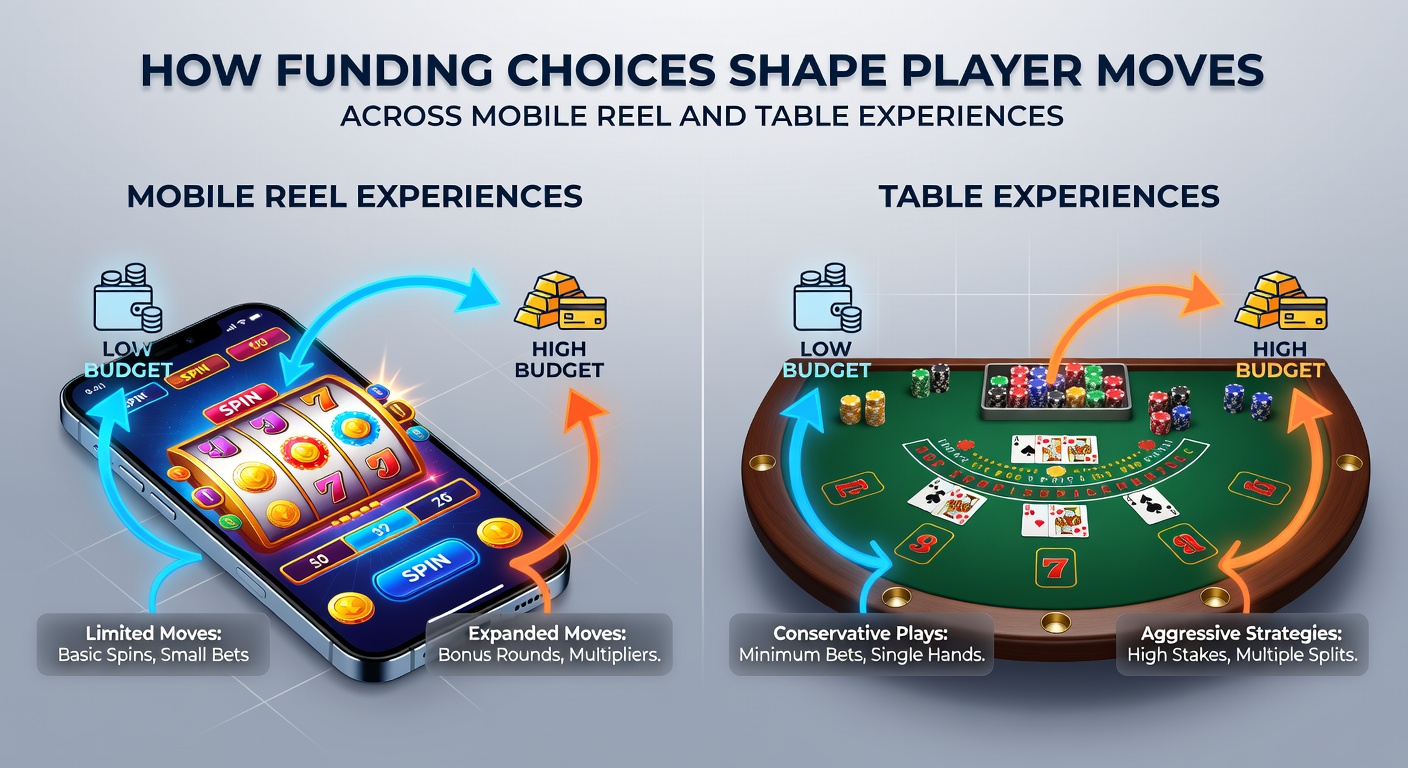
Promotional offers linked to specific funding sources further shape movement patterns, since many reel-focused bonuses require rapid deposits that favor wallets and prepaid cards, while table-oriented rewards often attach to wire or bank transfer methods that carry higher minimum thresholds. This linkage creates distinct pathways where certain payment choices unlock reel progressions yet restrict table entry, and vice versa.
Observers tracking transaction logs note that users combining multiple methods within one account demonstrate greater flexibility, shifting between formats when new offers activate under different funding rules, and this behavior appears more frequently among accounts registered after regulatory updates in early 2026.
Cross-Format Migration Patterns
Migration between reels and tables often follows funding cycles rather than pure preference, with fresh deposits triggering switches when remaining balances fall below certain thresholds or when bonus wagering requirements push activity toward higher-volatility options. Wallet users complete these transitions more readily because additional funds arrive without delay, supporting quick adjustments in strategy or game type.
Table sessions funded through slower instruments show longer dwell times before any reel switch occurs, since participants avoid interrupting ongoing play to initiate new transactions, and this pattern holds across multiple jurisdictions where transaction data has been aggregated for analysis.
Regional Variations in Funding Influence
European markets display stronger ties between prepaid vouchers and reel activity, whereas North American platforms record elevated card usage correlating with table engagement, according to aggregated figures from industry associations operating across both regions. Australian data collected through state-level gaming commissions reveals similar splits, with digital wallet dominance aligning to shorter reel bursts and bank-linked methods supporting extended table sequences.
These geographic differences stem from local banking infrastructure and regulatory caps on transaction speeds, which in turn affect how readily players sample both categories during single mobile sessions. Platforms that standardize multiple funding rails within one interface reduce such regional disparities and increase overall format crossover.
Conclusion
Funding choices continue to function as gatekeepers that direct traffic between mobile reel and table environments through speed, cost, and promotional alignment, and tracking these mechanics provides clearer insight into session composition across regulated markets. As payment ecosystems evolve, the relationships between deposit method and game category selection remain measurable through transaction patterns and session analytics released by various oversight bodies.