Payment Tech Breakthroughs Enabling Smooth Live Dealer Switches in Controlled Mobile Slot Settings
Harper Lange · May 18, 2026
Payment Tech Breakthroughs Enabling Smooth Live Dealer Switches in Controlled Mobile Slot Settings
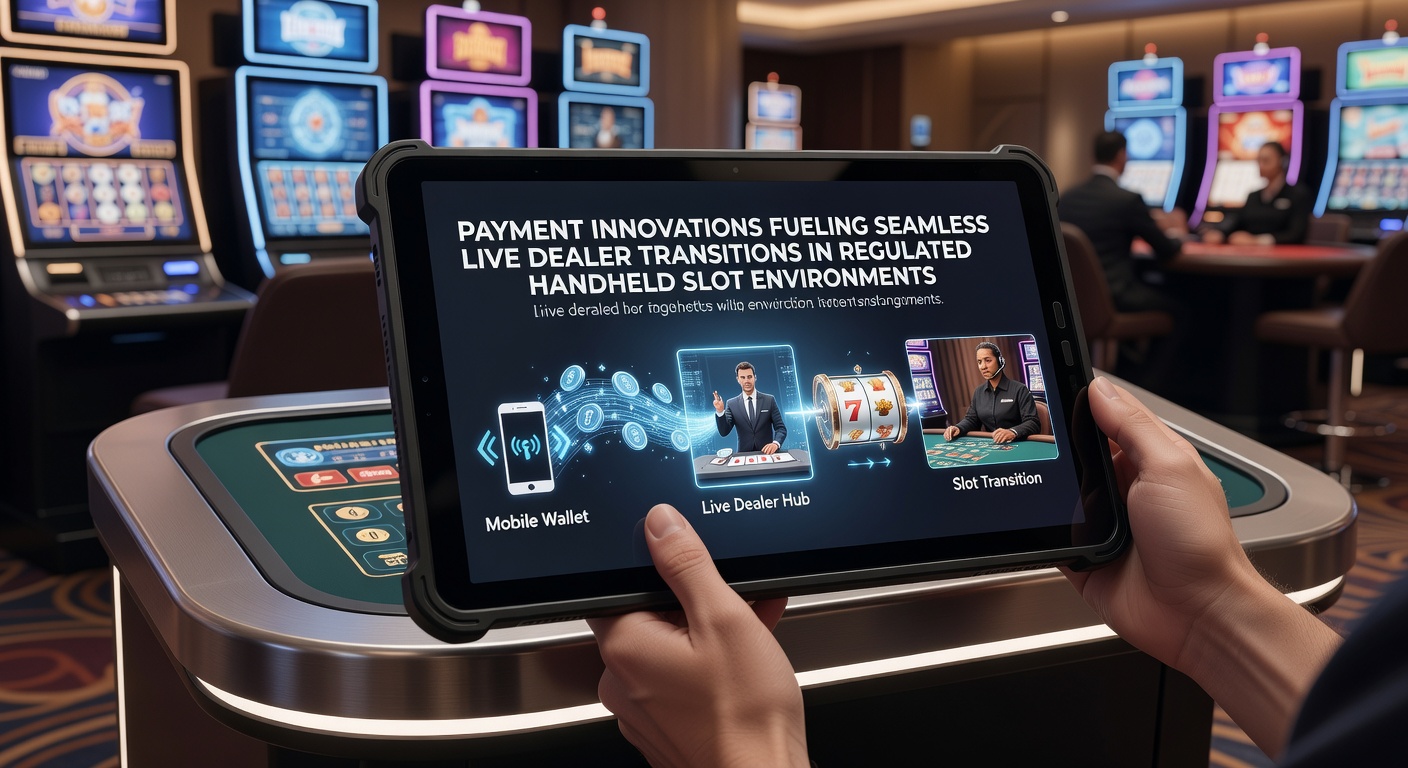
Payment innovations continue to reshape how players move between slot machines and live dealer tables on regulated mobile platforms, creating pathways that reduce friction during gameplay sessions. These systems integrate digital wallets, instant bank transfers, and tokenized transaction methods that keep funds accessible across different game types without requiring repeated logins or balance checks. Data from industry reports indicate that such integrations have expanded in markets with strict licensing rules, where handheld devices serve as primary access points for both slots and real-time dealer interactions.
Core Mechanisms Behind Integrated Funding Solutions
Experts observe that modern payment layers connect directly to game servers so balances update in real time when a player leaves a slot session and enters a live dealer environment. Tokenization keeps sensitive banking details off the device while allowing quick authorization for deposits or withdrawals, and this approach supports the kind of seamless handoff that operators need to maintain session continuity. Research indicates that many platforms now embed these tools at the account level rather than inside individual games, which means one funding action covers both slot play and table participation on the same app.
Observers note that biometric verification often pairs with these payment systems to confirm identity in seconds, cutting down on delays that once interrupted transitions. While older methods relied on separate banking portals for each game category, newer frameworks route everything through a unified dashboard that tracks activity across slots and live tables simultaneously. Figures reveal steady growth in adoption rates for these unified tools, especially in jurisdictions that updated their technical standards during recent licensing cycles.
Regulatory Frameworks Supporting Cross-Game Payments
Regulatory bodies in several regions have introduced guidelines that encourage payment providers to build compatibility features between slot software and live dealer streams. The Nevada Gaming Control Board has documented how licensed operators must demonstrate that transaction logs remain consistent whether a player is spinning reels or joining a blackjack table, and similar expectations appear in Canadian provincial frameworks. These rules help ensure that funds move without creating separate ledgers for each game type, which in turn supports the handheld environments many users prefer.
What's interesting is how compliance requirements have pushed developers to test payment flows under simulated high-volume conditions before full deployment. One study released by an academic research group found that platforms meeting these standards experienced fewer session interruptions during live dealer handoffs, particularly when users switched from bonus-funded slot rounds to dealer-led games. And although implementation timelines vary, several markets have signaled that enhanced interoperability standards will take effect in May 2026, giving operators a clear window to finalize their systems.
Practical Examples From Licensed Operators
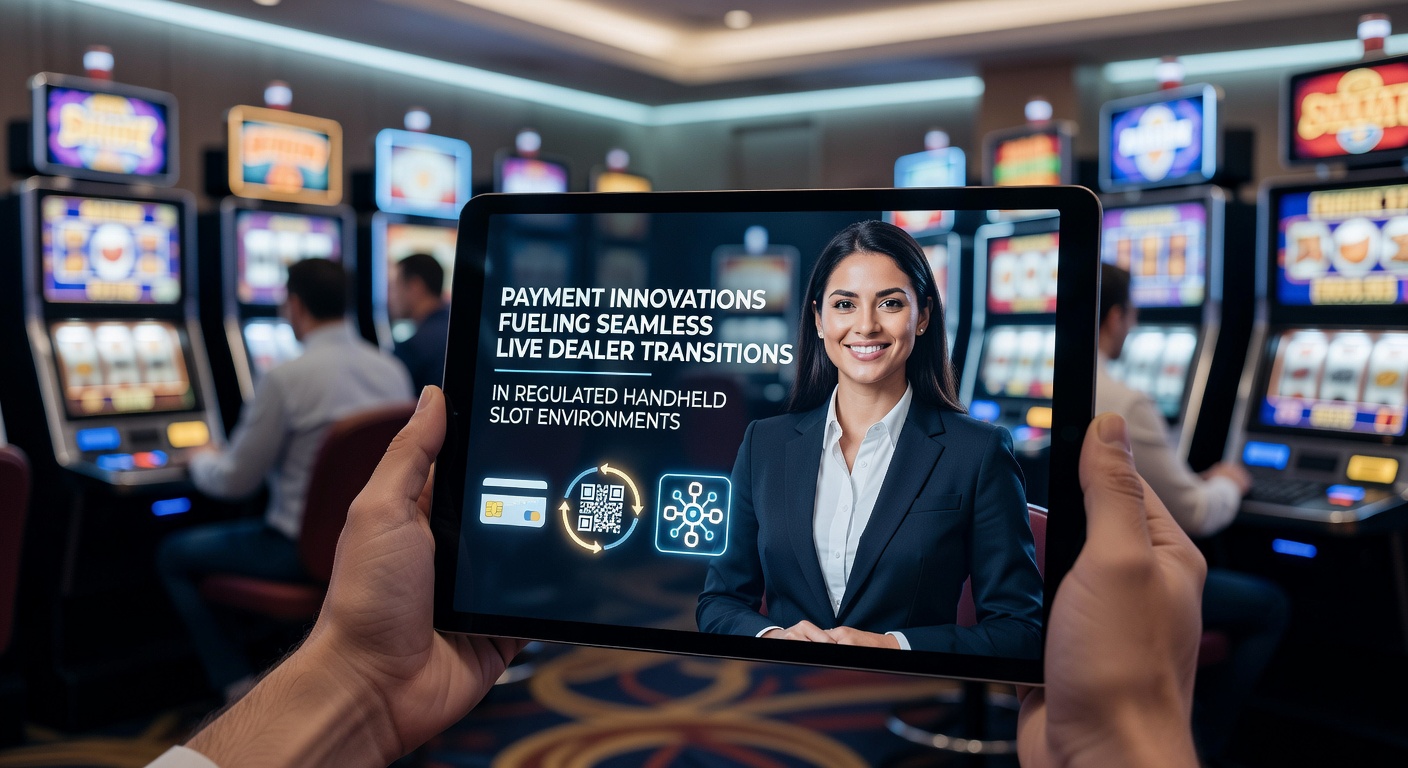
Take one operator licensed in a North American market that rolled out a unified wallet feature last year. Players could fund their account once through a digital wallet service, then move directly from a slot bonus round into a live roulette table while the same balance remained visible and spendable. Industry organizations tracking these deployments report that average transition times dropped noticeably compared with previous separate-account models, and users encountered fewer prompts to re-enter payment details mid-session.
Another case involves an Australian-facing platform that linked its slot lobby to live dealer streams via instant bank transfer APIs. Those who've examined the data note that withdrawal requests processed at the same speed regardless of whether the player had just finished slots or a card game, which helped maintain regulatory compliance around transaction reporting. The reality is that these integrations rely on partnerships between payment processors and game aggregators, creating the kind of infrastructure that keeps everything synchronized across handheld devices.
Future Developments on the Horizon
Additional refinements continue to emerge as payment companies explore blockchain-based settlement options that could further compress the time between slot play and live dealer entry. Research from trade groups suggests that once these options reach full regulatory approval, players may see even tighter integration where game outcomes and balance changes register on a shared ledger visible in both environments. That said, operators must still navigate varying regional rules that govern how quickly funds can appear after a live table session ends.
What's significant is the ongoing collaboration between technology providers and licensing authorities to standardize data formats used during these transitions. Such standardization reduces the chance of mismatches when a player switches devices mid-session, and it supports the broader goal of keeping all activity within regulated channels on mobile platforms.
Conclusion
Payment innovations are steadily expanding the possibilities for fluid movement between slot games and live dealer tables inside regulated handheld environments. By combining tokenization, real-time updates, and unified wallets, operators deliver experiences where funding remains consistent across different game formats. With further standards scheduled for May 2026 in select markets, the infrastructure supporting these transitions continues to mature while staying aligned with licensing requirements from bodies such as the Nevada Gaming Control Board and reports compiled by groups like the American Gaming Association. The result is a more connected mobile casino landscape where payment tools serve as the foundation for uninterrupted play across slots and live dealer offerings.