Seamless Transaction Channels Extending Playtime in Regulated Mobile Casino Platforms
Olivia Hoffmann · Jun 1, 2026
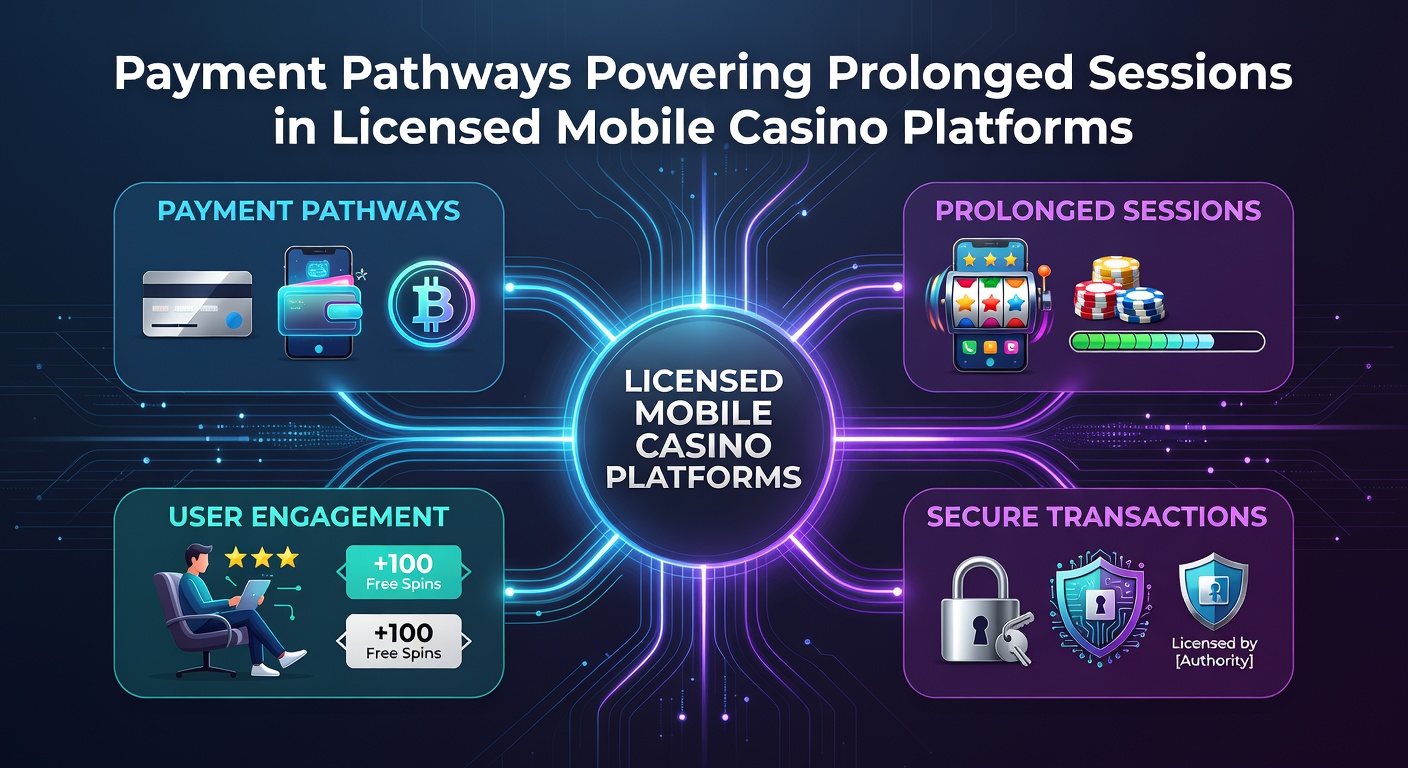
Seamless Transaction Channels Extending Playtime in Regulated Mobile Casino Platforms
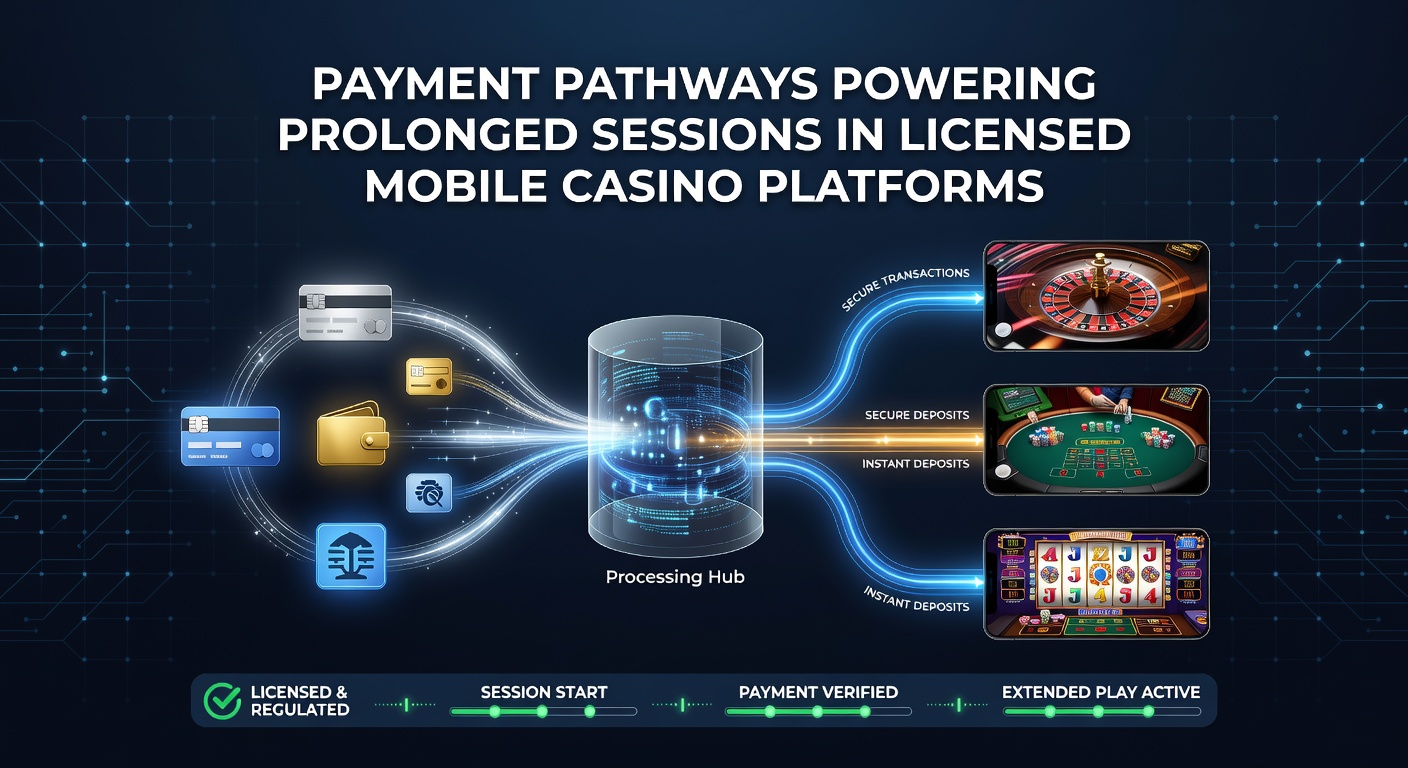
Licensed mobile casino platforms rely on integrated payment systems that reduce friction during deposits and withdrawals, and these pathways often correlate with longer user engagement periods according to transaction analytics from multiple jurisdictions. Operators design these flows to handle instant funding methods such as e-wallets alongside traditional bank links, which allows players to maintain continuous access without repeated interruptions for verification steps. Research from gaming industry groups indicates that platforms supporting same-minute processing see measurable increases in average session lengths when compared to those relying on slower batch approvals.Core Payment Mechanisms and Their Role in Session Continuity
Instant deposit options including digital wallets and prepaid vouchers connect directly to game libraries, and this integration removes delays that might otherwise prompt users to exit applications. Data compiled by the Alcohol and Gaming Commission of Ontario shows that licensed apps offering multiple real-time funding routes record higher retention rates during peak evening hours, because players face fewer barriers when replenishing balances mid-session. Meanwhile bank transfer methods, though slower for initial setup, provide secure recurring options that some users activate for scheduled top-ups, and these patterns contribute to extended play across several days rather than single visits.
Security protocols embedded in these systems such as tokenization and biometric confirmations further support prolonged activity by building trust, since players encounter fewer declined transactions that could break momentum. Industry reports from the European Gaming and Betting Association highlight how licensed operators in various regions streamline these checks to balance compliance with speed, resulting in smoother pathways that keep sessions active longer without compromising regulatory standards.
Bonus Structures Tied to Payment Activity
Many platforms link welcome offers and reload incentives directly to specific deposit methods, and this connection encourages repeated funding actions that sustain longer engagement windows. For instance, cashback programs activated through e-wallet transactions often trigger automatically after qualifying deposits, which extends play by recycling portions of losses back into balances. Observers tracking mobile app metrics note that such tied incentives appear most effective when processing times stay under thirty seconds, because rapid confirmation lets users transition immediately from payment screens to active games.
Progressive jackpot contributions sometimes accumulate faster through certain payment routes that carry lower fees, and this dynamic draws players toward methods that maximize in-game value over time. Studies released in early 2026 by academic researchers at the University of Nevada, Reno, examined transaction logs from regulated platforms and found correlations between low-friction payment pathways and increased time spent on progressive titles, particularly when bonus eligibility resets daily or weekly.
Regulatory Context and June 2026 Developments
Global regulators continue refining standards around payment transparency, and updates scheduled for June 2026 in several jurisdictions aim to standardize reporting on transaction speeds without restricting licensed operators' ability to offer varied funding options. These forthcoming guidelines focus on consumer protection measures such as clear fee disclosures, which could influence how platforms present their pathways yet maintain the efficiency that supports extended sessions. Platforms already compliant with existing rules in places like Australia and parts of Canada demonstrate that proactive adaptations lead to stable user bases rather than abrupt drops in engagement.
Cross-border payment compatibility also plays a role, since many licensed mobile platforms accept international cards and regional digital currencies that reduce currency conversion delays. Figures from trade associations reveal that users who encounter seamless multi-currency handling tend to log higher cumulative session times, because they avoid pauses associated with manual exchanges or additional approvals.
Case Examples from Licensed Environments
One documented pattern involves platforms that integrate loyalty tiers with payment histories, where frequent depositors unlock accelerated withdrawal processing that encourages continued activity. Take the example of certain Canadian-licensed apps where users completing three verified deposits within a week receive priority cashout queues, and this structure has been linked to measurable extensions in overall play duration according to internal operator data shared with regulators. Similarly, Australian platforms have incorporated scheduled payment reminders tied to session analytics, which prompt users toward funding options that align with their established habits without forcing exits from active games.
Conclusion
Payment pathways in licensed mobile casino platforms function as foundational elements that directly influence how long users remain engaged, with instant processing, bonus linkages, and security features combining to minimize disruptions. Evidence from regulatory bodies and academic sources across multiple regions demonstrates consistent patterns where efficient transaction routes support sustained sessions, while upcoming adjustments in June 2026 are expected to refine these systems further under consumer-focused guidelines. Those monitoring the sector note that continued evolution in these areas will shape future engagement metrics across regulated environments.