Securing Extended Play: Fund Protocols in Smartphone Table and Slot Experiences
Casey Werner · May 20, 2026
Securing Extended Play: Fund Protocols in Smartphone Table and Slot Experiences
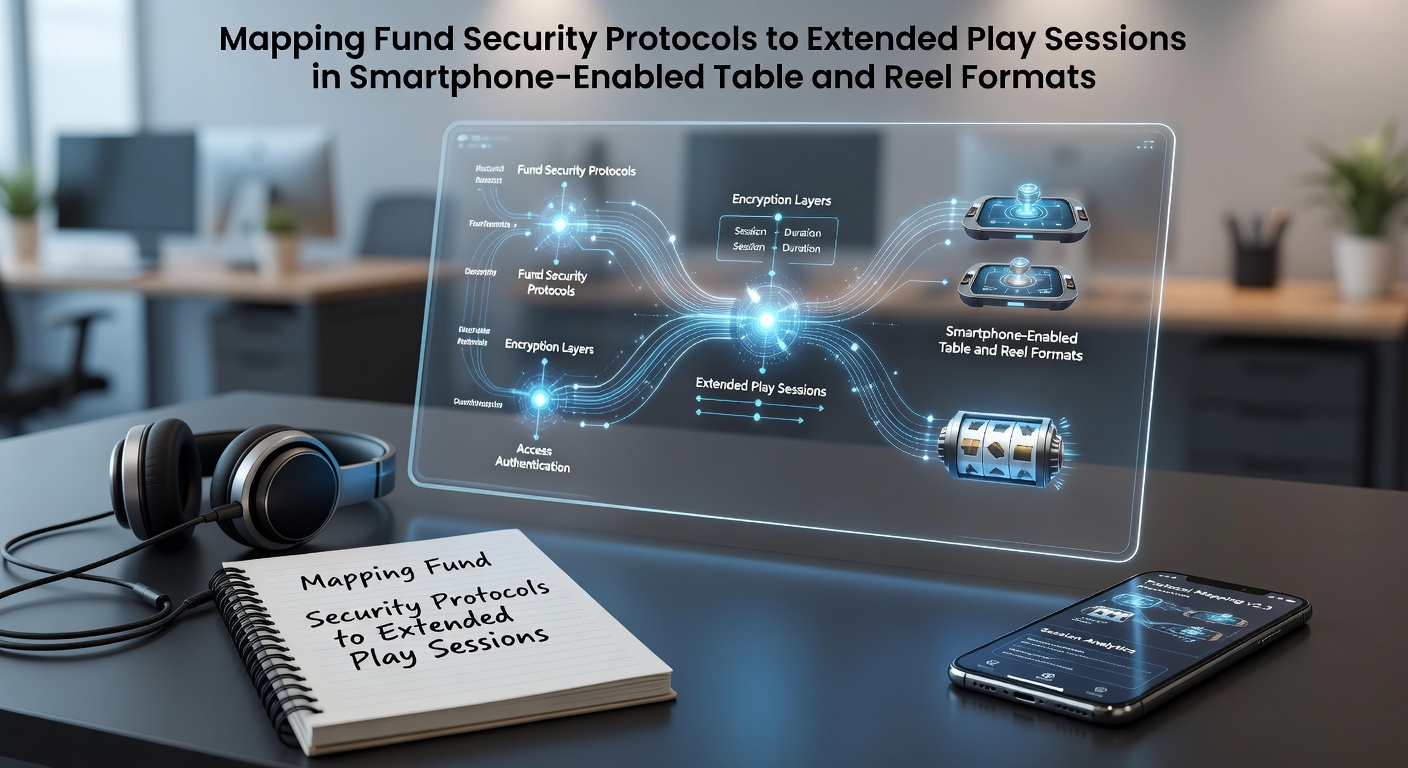
Fund security protocols now align directly with extended play sessions across smartphone-enabled table games and reel formats, where encryption layers, multi-factor authentication, and real-time transaction monitoring create stable environments for longer engagement periods; these systems process deposits and withdrawals while maintaining session continuity on mobile devices. Observers note that players who remain logged in for hours benefit from protocols that flag anomalies without interrupting gameplay, allowing seamless transitions between roulette wheels, blackjack tables, and spinning reels.
Core Elements of Fund Protection in Mobile Settings
Security frameworks incorporate tokenization for payment details alongside behavioral analytics that track spending patterns over time, and data from regulatory reports shows these measures reduce unauthorized access incidents by significant margins in regulated markets. Experts have observed that protocols map to extended sessions by adjusting verification thresholds based on session duration, so short bursts receive lighter checks while prolonged activity triggers graduated safeguards without forcing logouts. Researchers discovered that integration with device biometrics further supports this mapping, letting users maintain focus on live dealer interactions or reel sequences.
Application to Table Game Formats
Table games such as roulette and blackjack demand continuous fund verification during extended rounds, and protocols achieve this through session-persistent wallets that update balances instantly after each spin or hand; one case where developers implemented adaptive encryption revealed smoother play flows for users who stay active past the typical thirty-minute mark. Those who've studied mobile implementations know that API connections between game servers and banking partners operate in the background, preventing lag that could otherwise break immersion during long streaks at virtual tables.
Reel-Based Games and Sustained Session Support
Reel formats rely on the same security mapping yet emphasize rapid micro-transactions that accumulate over hours of play, and industry figures reveal slot platforms now embed fraud detection that scales with play length to protect accumulated winnings. But here's the thing: protocols often include automatic session timeouts paired with quick re-authentication options, which keeps reels spinning for dedicated users while blocking external interference. Data indicates that such features prove especially useful in regions where mobile data networks vary, since stable connections allow uninterrupted fund movements during marathon sessions.
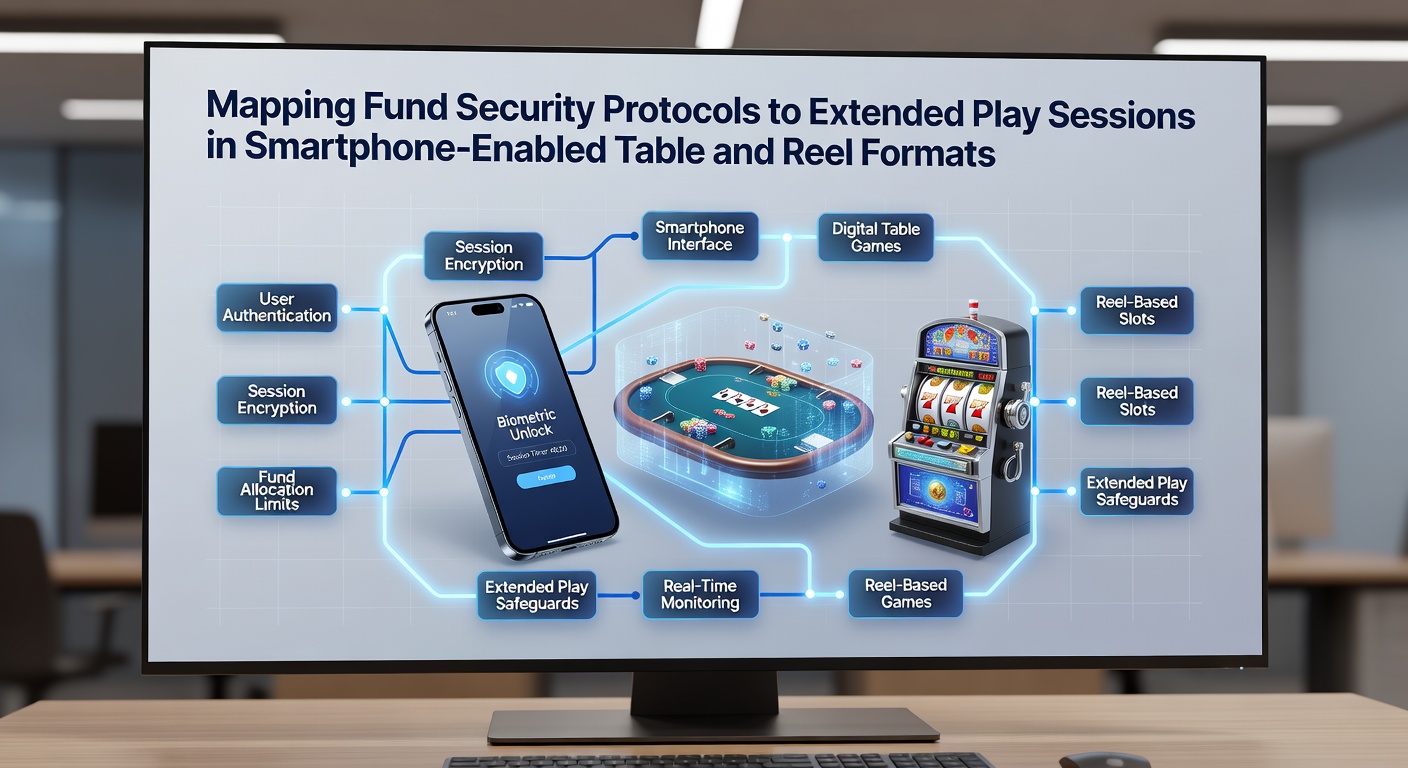
What's interesting is how these protections extend across both table and reel categories on the same app, creating unified dashboards that display security status alongside play metrics; according to a Nevada Gaming Control Board report, standardized encryption requirements have helped operators maintain session integrity across diverse game types. In May 2026, upcoming compliance updates from North American regulators are expected to refine these mappings further, incorporating AI-driven risk scoring tailored to mobile usage patterns in both table and reel environments.
Regional Variations and Implementation Trends
European markets apply similar fund security measures yet emphasize cross-border transaction logging that supports extended play without regulatory friction, and observers note Canadian provincial frameworks add an extra layer of device registration that aligns well with longer smartphone sessions. Academic studies from institutions in Australia have examined how reel formats handle high-volume spins under protected funding systems, showing reduced dispute rates when protocols adjust dynamically to session length. People who've reviewed global operator data often discover that unified standards across table and reel games improve overall trust metrics reported by users who engage for multiple consecutive hours.
Technical Mapping Process
The actual mapping occurs through layered software architecture where fund ledgers sync with game engines in real time, and this setup lets security alerts appear as subtle notifications rather than full interruptions. Turns out that operators achieve this by calibrating protocol sensitivity to average session durations observed in analytics, ensuring that both short and extended play remain equally protected. Evidence suggests successful implementations combine these elements into single mobile applications that handle deposits, gameplay, and withdrawals without requiring users to exit the interface.
Conclusion
Fund security protocols continue to evolve in direct relation to extended play demands within smartphone table and reel formats, delivering consistent protection that scales with user activity. Researchers and operators alike track these developments closely as new standards roll out, and the alignment between safeguards and session length remains central to maintaining reliable mobile gaming experiences across regulated environments.